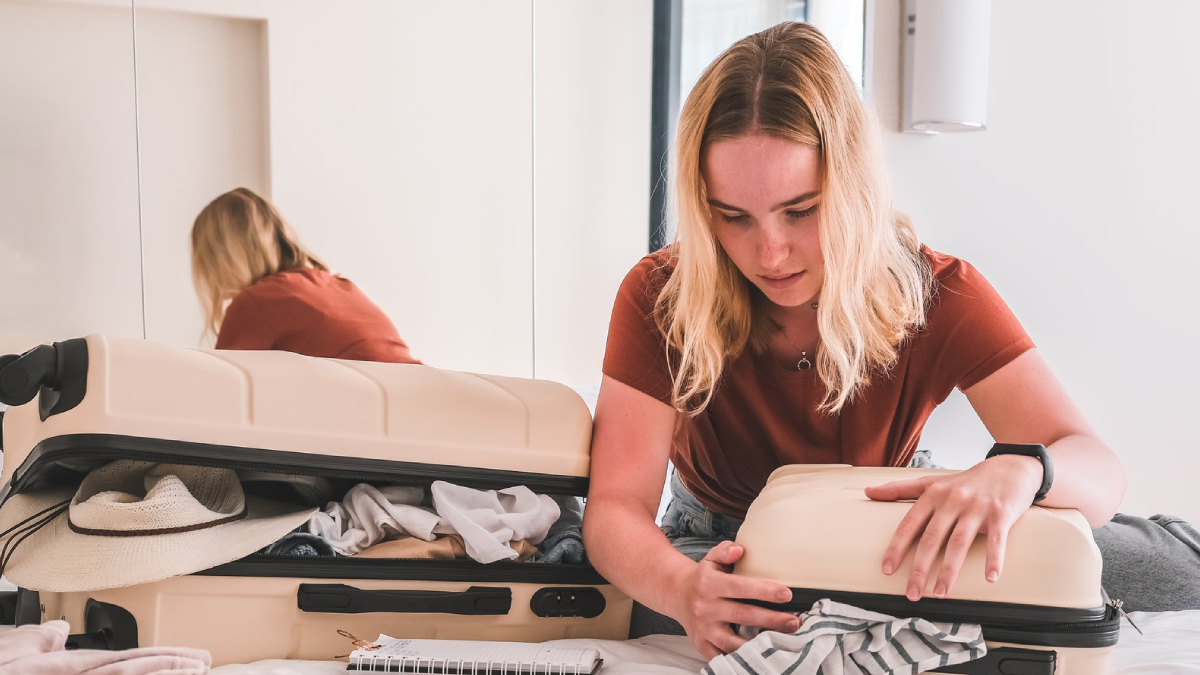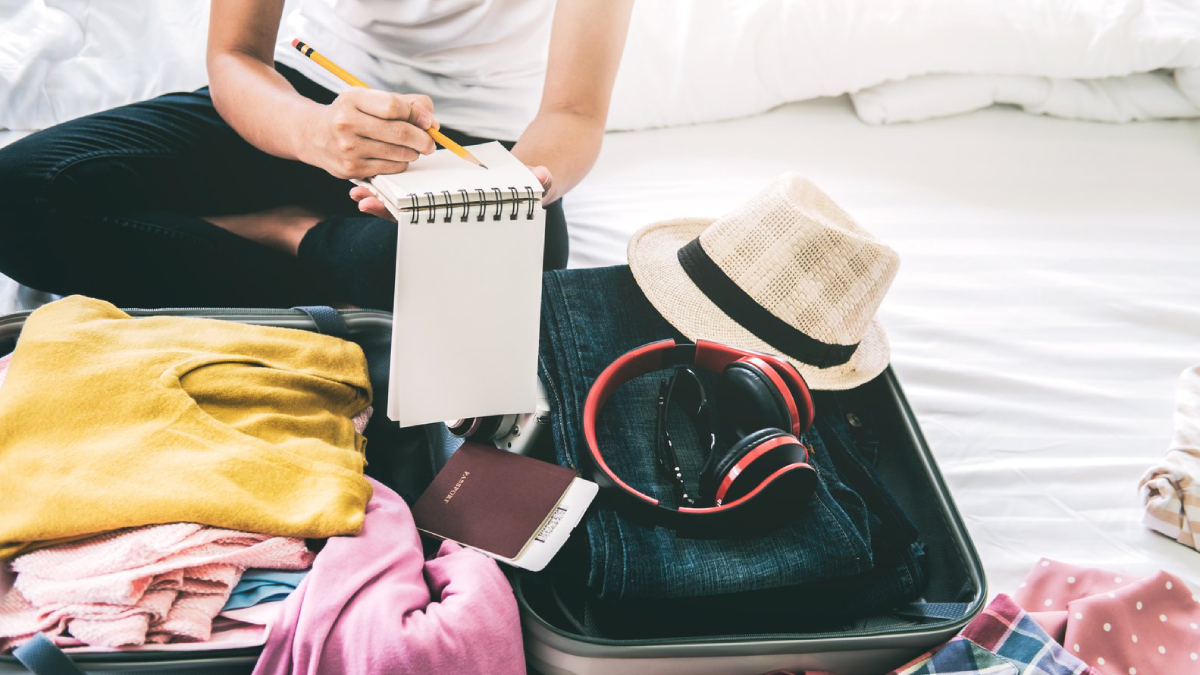
Packing light is one of the most valuable travel skills you can learn. It makes your journey easier, cheaper, and more comfortable. Many travelers struggle with heavy luggage, extra baggage fees, and the stress of carrying too much stuff they never actually use.
The truth is, you don’t need a large suitcase to enjoy a great trip. With the right strategy, you can pack everything you need in a small bag and still be fully prepared for any destination.
This guide will teach you how to pack light for any trip without sacrificing comfort or essentials.
Why Packing Light Is Important
Packing light is not just about saving space. It improves your entire travel experience.
Benefits include:
- Easier movement between destinations
- No baggage fees on flights
- Less stress during travel
- Faster airport experience
- Better organization
- More flexibility during your trip
When you carry less, you travel more freely.
Step 1: Choose the Right Bag
Your packing journey starts with the right luggage.
Instead of large suitcases, choose:
- A carry-on suitcase
- A travel backpack
- A lightweight duffel bag
A smaller bag forces you to pack only what you need.
Look for bags with multiple compartments for better organization.
Avoid oversized luggage unless absolutely necessary.
Step 2: Plan Before You Pack
Never start packing without a plan.
Ask yourself:
- How many days will I travel?
- What is the weather like?
- What activities will I do?
This helps you pack only relevant items.
Make a simple checklist before placing anything in your bag.
Planning reduces overpacking significantly.
Step 3: Follow the “Mix and Match” Rule
One of the best packing strategies is choosing clothes that can be mixed and matched.
Instead of packing separate outfits for each day, choose:
- Neutral colors
- Simple designs
- Multi-use clothing
For example:
- One pair of jeans can match multiple shirts
- A jacket can work for both casual and formal settings
This reduces the number of clothes you need to carry.
Step 4: Limit Your Clothing Items
Clothing is the biggest reason for heavy luggage.
A simple packing formula:
- 3–4 tops
- 2–3 bottoms
- 1 jacket
- 1–2 pairs of shoes
- Enough underwear for the trip duration
You do not need a new outfit for every day.
Most hotels offer laundry services, so you can reuse clothes.
Step 5: Roll Your Clothes Instead of Folding
Rolling clothes instead of folding saves space and reduces wrinkles.
Benefits of rolling:
- More space in your bag
- Better organization
- Easier access to clothes
You can also use packing cubes to organize rolled clothes.
This method is widely used by professional travelers.
Step 6: Use Travel-Size Toiletries
Full-size bottles take up unnecessary space.
Instead, use:
- Travel-size shampoo
- Small toothpaste
- Mini deodorant
- Compact skincare products
Many hotels also provide basic toiletries.
Only carry what you truly need.
Step 7: Wear Your Heaviest Items
To save space in your bag, wear your heaviest items while traveling.
For example:
- Jackets
- Boots
- Jeans
This reduces luggage weight significantly.
Airports are cold anyway, so layering helps during flights.
Step 8: Limit Shoes to Two Pairs
Shoes take up a lot of space in luggage.
A simple rule:
- One comfortable walking pair
- One additional pair (casual or formal)
Only carry extra shoes if absolutely necessary.
Choose versatile footwear that matches multiple outfits.
Step 9: Avoid “Just in Case” Packing
One of the biggest mistakes travelers make is packing for situations that may never happen.
Examples:
- Extra jackets “just in case it gets cold”
- Multiple outfits for unexpected events
- Unused gadgets or accessories
Be realistic. If you are unsure whether you need something, you probably don’t.
Step 10: Choose Multi-Purpose Items
Pack items that serve more than one purpose.
For example:
- A scarf can be used as a blanket or accessory
- A backpack can be used for day trips and travel
- A jacket can work for both cold and casual use
Multi-use items reduce the number of things you carry.
Step 11: Use Digital Alternatives
Instead of carrying physical items, go digital where possible.
Examples:
- E-books instead of paper books
- Mobile tickets instead of printed ones
- Digital maps instead of guidebooks
- Cloud storage for documents
This reduces paper and extra weight in your bag.
Step 12: Pack Only Essential Gadgets
Technology is important, but overpacking gadgets adds weight.
Carry only:
- Smartphone
- Charger
- Power bank
- Earphones
Avoid unnecessary electronics unless required for your trip.
Step 13: Plan Laundry During Your Trip
You don’t need clothes for every day if you can wash them.
Options include:
- Hotel laundry service
- Local laundromats
- Hand washing small items
This allows you to reuse clothes and pack lighter.
Step 14: Use Packing Cubes
Packing cubes help organize your luggage efficiently.
Benefits include:
- Better organization
- Easy access to items
- More space efficiency
- Cleaner packing system
They are especially useful for long trips.
Step 15: Keep Essentials in Carry-On
Always keep important items in your carry-on bag.
These include:
- Documents
- Money
- Electronics
- Medicines
- Valuables
This ensures safety in case checked luggage is delayed or lost.
Common Mistakes in Packing Light
Many travelers struggle with packing light because of simple mistakes:
- Packing too many clothes
- Ignoring weather conditions
- Carrying unnecessary gadgets
- Not planning outfits
- Overpacking toiletries
Avoiding these mistakes makes packing much easier.
Psychological Trick for Packing Light
One simple mindset shift helps reduce overpacking:
Ask yourself:
“Will I realistically use this item during my trip?”
If the answer is no or maybe, leave it behind.
Most travelers realize they don’t use half of what they pack.
Final Thoughts
Packing light is a skill that improves with practice.
It gives you freedom, flexibility, and a stress-free travel experience.
When you carry less, you move faster, spend less, and enjoy more.
The goal is not to carry everything, but to carry only what truly matters.
Smart packing leads to smarter travel.