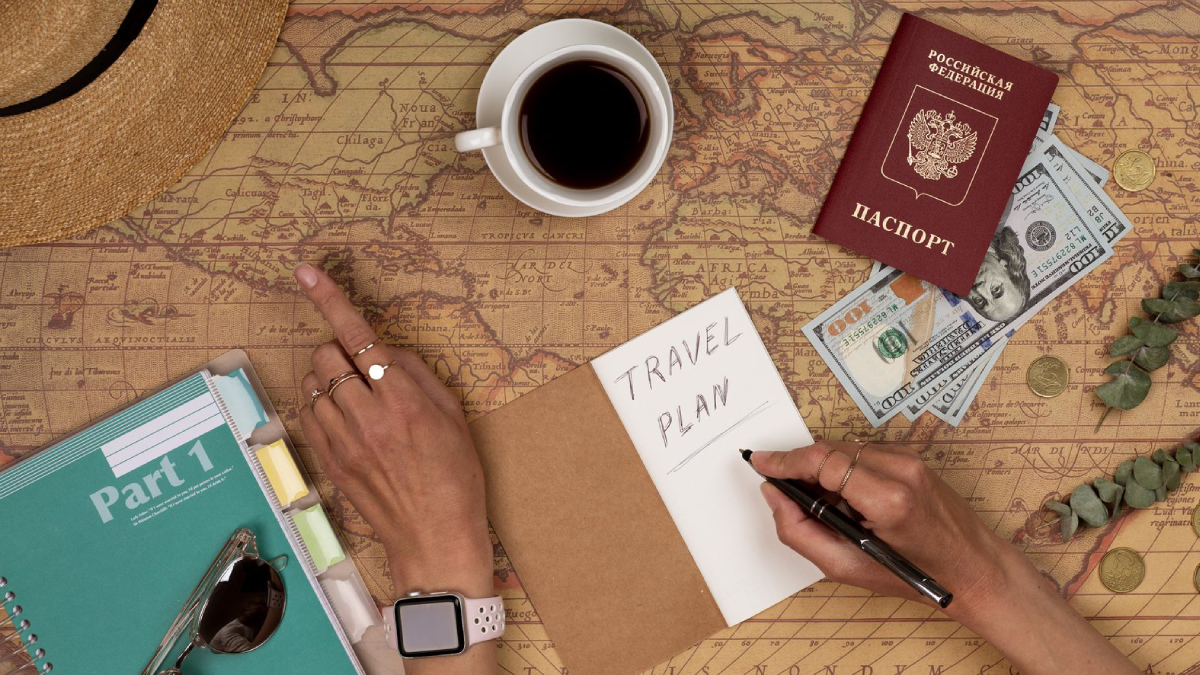
Planning a trip can be exciting, but it can also feel overwhelming if you don’t know where to start. A well-planned trip not only saves time and money but also ensures a smooth and enjoyable travel experience.
Whether you are traveling for the first time or you are an experienced traveler, having a proper step-by-step plan can completely change the way you travel. This guide will walk you through everything you need to know to plan a perfect trip from start to finish.
Why Trip Planning Is Important
Many travelers make the mistake of booking flights or hotels without proper planning. This often leads to wasted money, missed opportunities, and unnecessary stress during the trip.
Good trip planning helps you:
- Stay within your budget
- Avoid last-minute problems
- Save time during travel
- Experience more attractions
- Reduce travel stress
A well-organized plan allows you to focus on enjoying your journey instead of worrying about logistics.
Step 1: Decide Your Destination
The first step in planning any trip is choosing your destination.
Think about what type of experience you want. Do you want beaches, mountains, cities, or cultural experiences?
Consider the following factors:
- Budget
- Weather
- Travel distance
- Safety
- Visa requirements
Once you decide the destination, you can move forward with detailed planning.
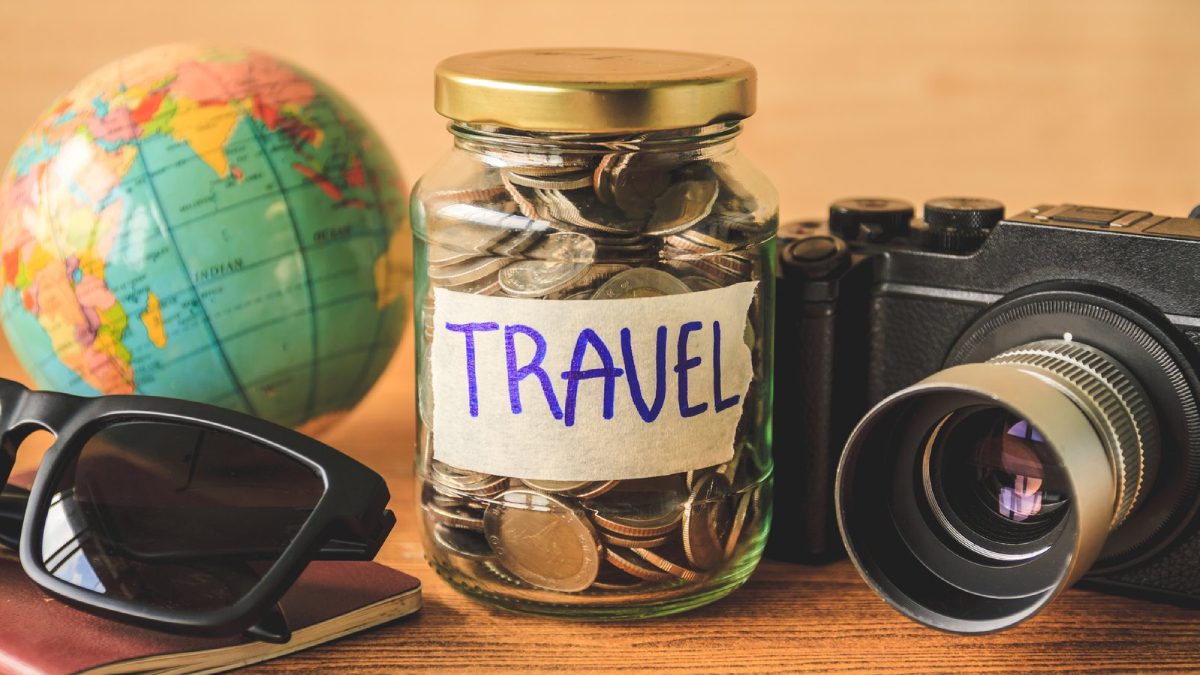
Step 2: Set Your Budget
Budgeting is one of the most important parts of trip planning.
Your budget should include:
- Flights or transport
- Accommodation
- Food
- Local transport
- Activities and entry tickets
- Shopping and extra expenses
Always set a realistic budget based on your destination. Some countries are expensive, while others are budget-friendly.
It is also important to keep extra money for emergencies.
Step 3: Choose Travel Dates
Selecting the right travel dates can make a big difference in your experience.
Check the best time to visit your destination based on weather and tourist seasons.
Traveling during off-season can save money and reduce crowds.
Also check for holidays, festivals, or events happening at your destination, as they can affect prices and availability.
Flexible dates can help you find cheaper flight options.
Step 4: Book Flights Early
Flight booking is one of the most important parts of trip planning.
Booking early usually gives better prices and more options.
Compare different airlines and use price comparison tools.
Consider factors such as:
- Flight duration
- Layovers
- Baggage allowance
- Departure times
Sometimes, flying mid-week can be cheaper than weekends.
Always double-check your booking details before confirming.
Step 5: Arrange Accommodation
Choosing the right place to stay is very important for comfort and convenience.
You can choose from:
- Hotels
- Hostels
- Vacation rentals
- Guest houses
When selecting accommodation, consider:
- Location
- Safety
- Reviews
- Price
- Facilities
Staying near tourist areas or transport hubs can save a lot of time.
Always book in advance, especially during peak season.
Step 6: Plan Your Itinerary
An itinerary is a schedule of your trip activities.
Start by listing all the places you want to visit.
Group nearby attractions together to save travel time.
Avoid overloading your schedule. Leave free time for relaxation and unexpected discoveries.
A good itinerary includes:
- Morning activities
- Afternoon sightseeing
- Evening relaxation
Flexibility is important. Do not plan every minute of your trip.
Step 7: Research Local Transport
Understanding transportation is key to smooth travel.
Check if your destination has:
- Metro or subway systems
- Bus services
- Taxi or ride-sharing apps
Download maps and transport apps before your trip.
Learn basic routes between your hotel and main attractions.
In some cities, walking is the best way to explore.
Planning transport in advance saves time and confusion.
Step 8: Prepare Travel Documents
Make sure all your documents are ready before traveling.
These include:
- Passport
- Visa
- Flight tickets
- Hotel bookings
- Travel insurance
Keep both printed and digital copies.
Check passport validity before booking your trip.
Without proper documents, you may face travel delays or cancellations.
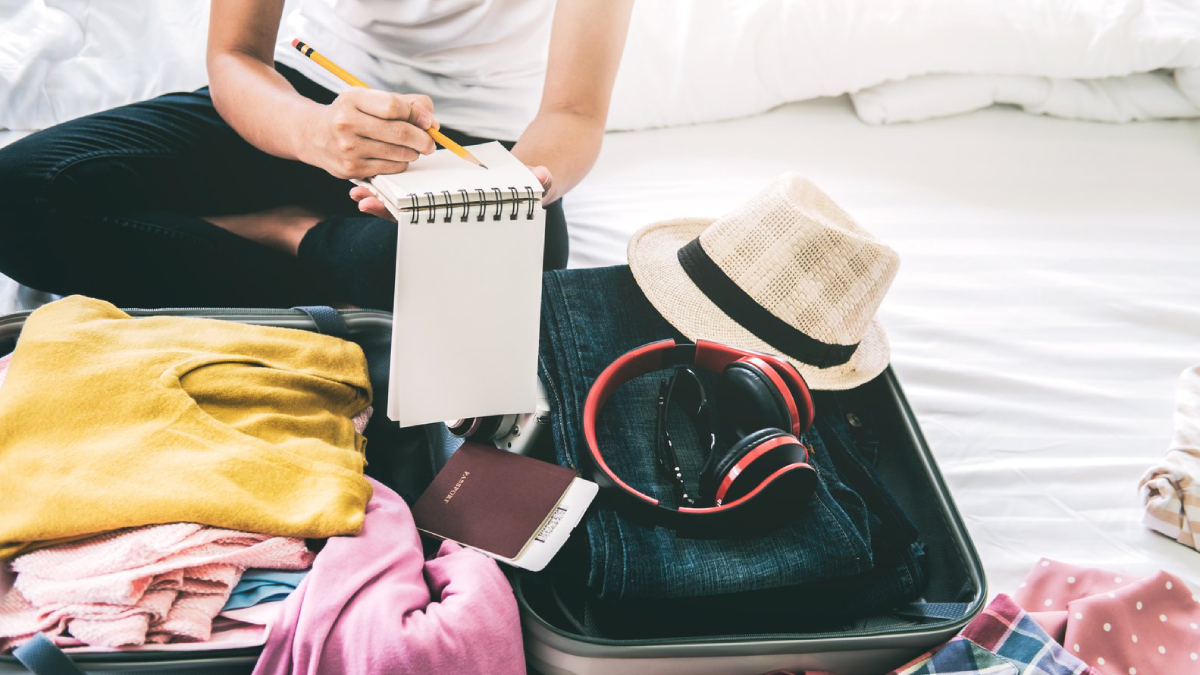
Step 9: Pack Smartly
Packing is an important part of travel planning.
Pack according to your destination’s weather and activities.
Essentials include:
- Clothes
- Toiletries
- Medicines
- Chargers and adapters
- Travel documents
Avoid overpacking. Carry only what you need.
Light packing makes travel easier and more comfortable.
Always keep important items in your carry-on bag.
Step 10: Buy Travel Insurance
Travel insurance protects you from unexpected problems such as:
- Flight cancellations
- Medical emergencies
- Lost luggage
- Travel delays
Many travelers ignore insurance, but it is very useful.
It gives you peace of mind during your trip.
Always choose a reliable insurance provider.
Step 11: Learn About Local Culture
Understanding local culture improves your travel experience.
Learn about:
- Local customs
- Dress codes
- Greetings
- Dining etiquette
This helps you avoid misunderstandings and show respect to locals.
Even small efforts like learning basic phrases can make a big difference.
Step 12: Plan Your Food Experience
Food is an important part of any trip.
Research local dishes before traveling.
Try both street food and restaurants for a complete experience.
Be mindful of hygiene and choose clean places to eat.
If you have dietary restrictions, plan accordingly.
Food exploration is one of the most enjoyable parts of traveling.
Step 13: Stay Organized During Travel
Once your trip starts, staying organized is important.
Keep your documents, money, and essentials in a safe place.
Use travel apps to track your bookings and itinerary.
Stay flexible and adjust plans if needed.
Do not stress if things do not go exactly as planned.
Common Mistakes to Avoid
Many travelers make simple mistakes that affect their trip.
Some common mistakes include:
- Booking everything at the last minute
- Not checking weather conditions
- Overpacking
- Ignoring local customs
- Not planning transportation
Avoiding these mistakes will make your trip smoother and more enjoyable.
Final Tips for a Perfect Trip
Always start planning early.
Stay flexible with your schedule.
Focus on experiences rather than rushing through attractions.
Keep a balance between sightseeing and relaxation.
Most importantly, enjoy every moment of your journey.
Conclusion
Planning a perfect trip requires time, research, and organization. But once done correctly, it leads to a stress-free and memorable travel experience.
From choosing your destination to packing your bags, every step plays an important role in shaping your journey.
A well-planned trip allows you to explore more, spend wisely, and enjoy every moment without worry.
Travel is not just about reaching a destination, but about enjoying the entire process of getting there.