
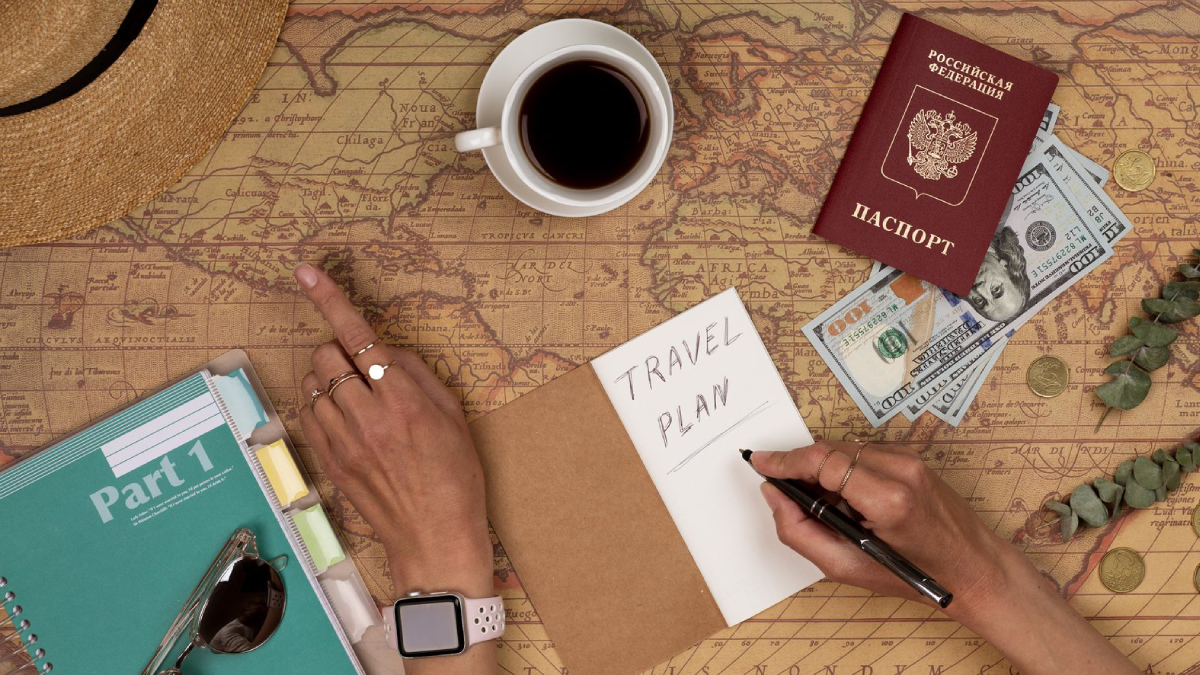
A well-planned travel itinerary is the backbone of a successful trip. It helps you organize your time, manage your budget, and make sure you don’t miss the best experiences a destination has to offer.
Many travelers either overplan their trips and feel exhausted or underplan and waste time figuring things out during the journey. Planning like a professional traveler means finding the right balance between structure and flexibility.
This guide will show you how to create a travel itinerary like a pro, step by step.
Why a Travel Itinerary Matters
A travel itinerary is more than just a schedule. It is a smart plan that helps you:
- Save time during your trip
- Avoid confusion in a new place
- Manage your budget efficiently
- Cover major attractions
- Reduce travel stress
Without a proper itinerary, travelers often miss important places or spend too much time deciding what to do next.
A good itinerary gives your trip direction while still allowing room for spontaneity.
Step 1: Research Your Destination Thoroughly
Before creating an itinerary, you need to understand your destination.
Start by researching:
- Top attractions
- Local neighborhoods
- Transportation options
- Weather conditions
- Cultural norms
Make a list of must-visit places and activities.
Check how far attractions are from each other. This helps you group them efficiently later.
The more you know about the destination, the better your itinerary will be.
Step 2: Decide Trip Duration
Your itinerary depends on how many days you are staying.
Whether it is 2 days, 5 days, or 10 days, plan according to available time.
Be realistic. Do not try to fit too many places into a short trip.
A good rule is:
- Short trips: focus on major highlights
- Medium trips: mix attractions and local experiences
- Long trips: explore in depth and relax
Knowing your duration helps you set priorities.
Step 3: List All Attractions and Activities
Write down everything you want to do in the destination.
Divide them into categories:
- Famous landmarks
- Cultural sites
- Food experiences
- Shopping areas
- Nature or outdoor activities
Once you have a list, you can start organizing them into days.
Do not include everything. Focus on quality over quantity.
Step 4: Group Locations by Area
One of the most important itinerary planning techniques is grouping locations.
Instead of visiting random places, organize them based on geography.
For example:
- Morning: Attractions in one area
- Afternoon: Nearby sites
- Evening: Close entertainment spots
This reduces travel time and makes your trip more efficient.
Using maps is very helpful at this stage.
Step 5: Create a Day-by-Day Plan
Now start dividing your trip into daily schedules.
A simple structure looks like this:
Morning: Sightseeing or main attractions
Afternoon: Cultural activities or food exploration
Evening: Relaxation or nightlife
Do not overload each day. Leave space for breaks and unexpected discoveries.
A balanced day keeps you energetic throughout your trip.
Step 6: Include Travel Time Between Places
Many travelers forget to consider travel time, which leads to delays.
Always check:
- Distance between locations
- Traffic conditions
- Transport availability
Add buffer time between activities.
For example, if a place takes 30 minutes to reach, plan at least 45–60 minutes.
This helps avoid rushing and stress.
Step 7: Book Key Activities in Advance
Some attractions require advance booking.
These may include:
- Museums
- Theme parks
- Guided tours
- Popular restaurants
Booking early saves time and guarantees entry.
It also helps you avoid long queues during your trip.
Keep all bookings organized in one place.
Step 8: Balance Your Itinerary
A professional itinerary is balanced, not packed.
Do not schedule every hour of the day.
Include:
- Free time
- Rest periods
- Backup options
Travel can be tiring, so breaks are important.
A balanced itinerary allows you to enjoy your trip instead of rushing through it.
Step 9: Add Local Experiences
A great itinerary includes more than just tourist spots.
Add local experiences such as:
- Street food tasting
- Local markets
- Cultural events
- Walking tours
These activities give you a deeper understanding of the destination.
They also make your trip more memorable and unique.
Step 10: Prepare for Weather and Seasons
Weather can affect your entire itinerary.
Always check the forecast before planning activities.
For example:
- Rainy days are better for indoor attractions
- Sunny days are ideal for outdoor activities
- Extreme weather may require plan changes
Pack accordingly and adjust your schedule if needed.
Step 11: Keep It Flexible
One of the biggest mistakes travelers make is being too strict with their itinerary.
Unexpected situations can happen such as:
- Weather changes
- Delays
- New discoveries
A good itinerary allows flexibility.
Leave space for spontaneous activities or rest.
Sometimes the best travel moments are unplanned.
Step 12: Use Travel Tools and Apps
Technology can make itinerary planning easier.
Use tools like:
- Maps for navigation
- Travel planner apps
- Booking apps
- Budget trackers
These tools help you stay organized during your trip.
Save all important information digitally for quick access.
Step 13: Plan Food and Rest Stops
Food is an important part of your itinerary.
Include time for meals and snacks.
Research restaurants or local dishes in advance.
Avoid long gaps without food or rest.
A well-fed and rested traveler enjoys the trip more.
Step 14: Prepare Backup Plans
Sometimes things do not go as planned.
Having backup options helps you stay stress-free.
For example:
- Alternative attractions
- Indoor activities for bad weather
- Nearby restaurants
Backup plans ensure your trip continues smoothly even if changes happen.
Common Mistakes in Itinerary Planning
Many travelers make mistakes when planning their itinerary.
Some of the most common ones include:
- Overpacking the schedule
- Ignoring travel time
- Not checking opening hours
- Skipping rest time
- Lack of flexibility
Avoiding these mistakes leads to a better travel experience.
Final Tips for Pro-Level Itinerary Planning
Start planning early before your trip.
Focus on quality experiences, not quantity.
Keep your schedule simple and realistic.
Always allow time for relaxation.
Most importantly, enjoy your journey instead of following your plan too strictly.
Conclusion
Planning a travel itinerary like a pro is about balance, research, and flexibility.
A good itinerary helps you explore more, waste less time, and enjoy every moment of your trip.
But remember, the goal of travel is not to follow a strict plan—it is to experience the world in your own way.
Use your itinerary as a guide, not a rulebook.