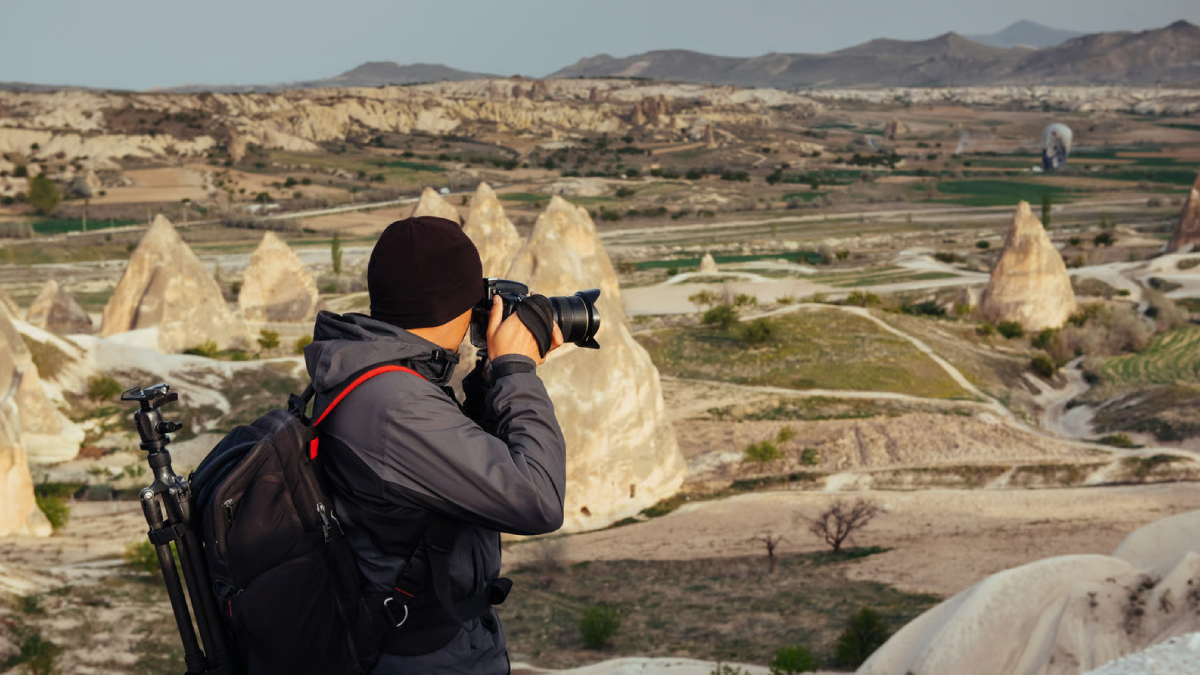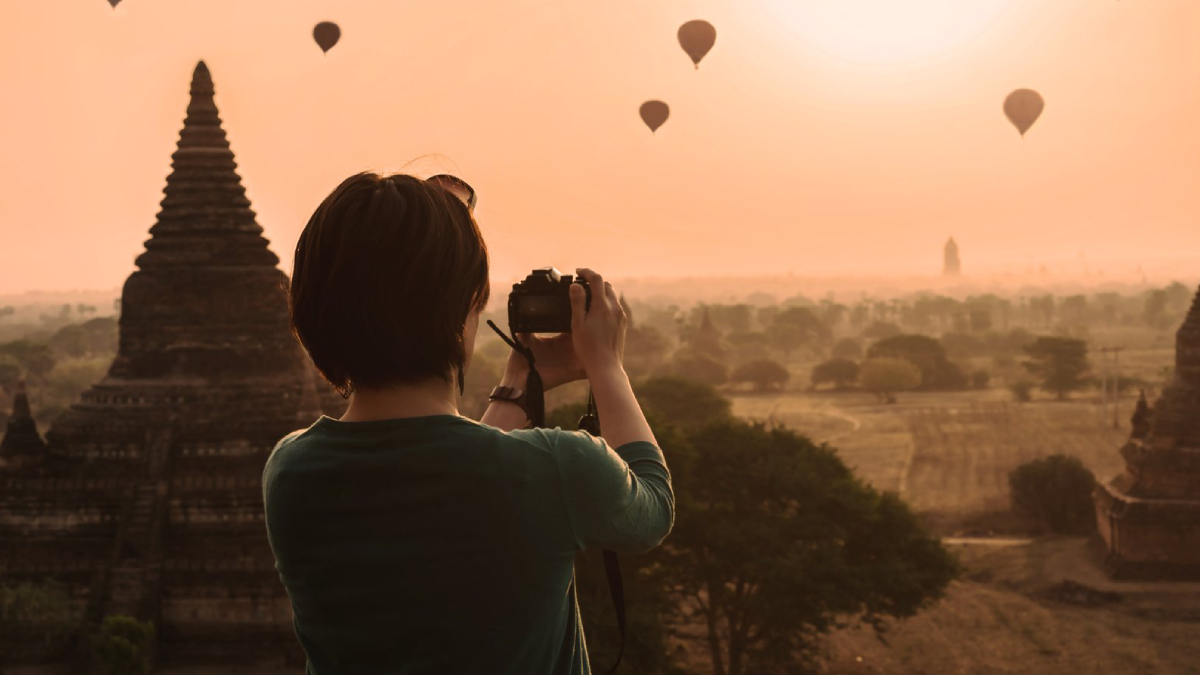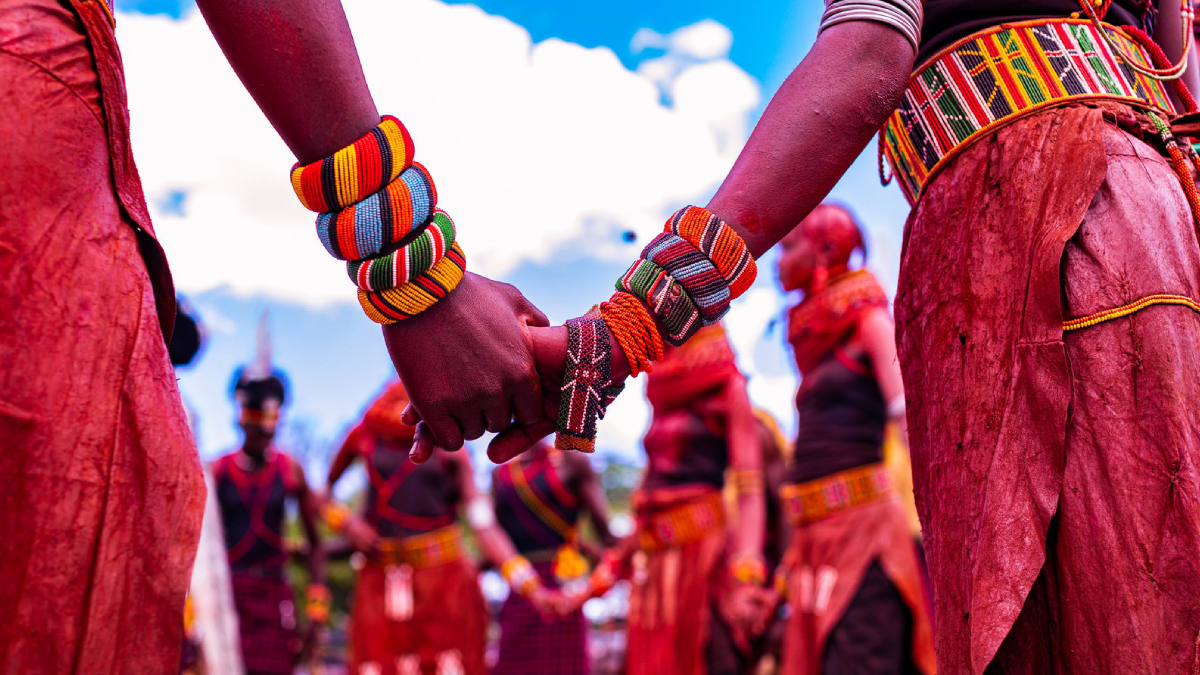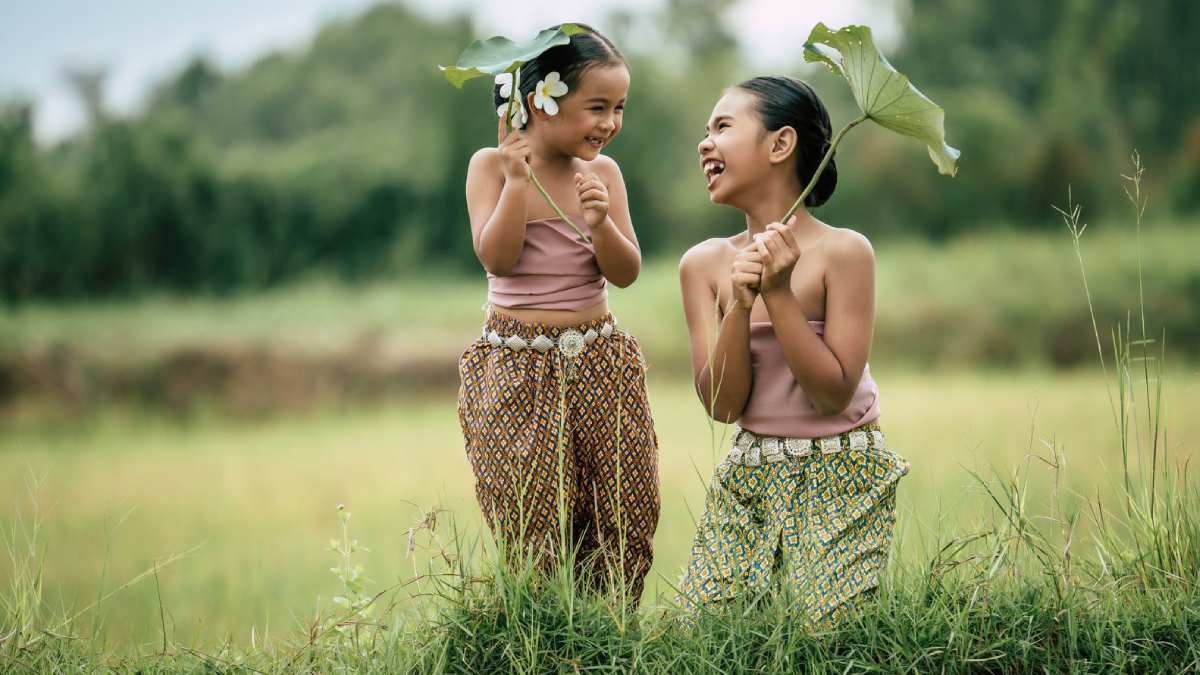
Travel photography is one of the most rewarding parts of traveling. It allows you to capture memories, tell stories, and share the beauty of the world through your own perspective. Whether you are using a smartphone or a professional camera, good travel photos are not about expensive gear—they are about technique, timing, and creativity.
If you are just starting out, learning a few simple photography principles can dramatically improve your results. This guide will help beginners understand how to take better travel photos anywhere in the world.
Why Travel Photography Matters
Travel photography is more than taking pictures.
It helps you:
- Preserve memories
- Share experiences with others
- Improve your observation skills
- Document cultures and places
- Create storytelling content
Every photo becomes a piece of your travel story.
1. Understand Your Camera or Smartphone
Before anything else, learn your device.
You should know:
- How to adjust focus
- How to control exposure
- How to switch between modes
- How to use zoom properly
Most beginners ignore settings and rely only on auto mode. But even basic understanding improves photo quality a lot.
2. Use Natural Light
Lighting is the most important part of photography.
Best times to shoot:
- Early morning (soft light)
- Golden hour (sunrise and sunset)
- Overcast days (balanced lighting)
Avoid harsh midday sunlight when possible.
Natural light makes photos more beautiful and realistic.
3. Follow the Rule of Thirds
This is one of the simplest photography rules.
Imagine your screen divided into 9 equal parts.
Place important subjects:
- On intersections
- Along lines
- Off-center instead of middle
This makes photos more balanced and visually appealing.
4. Focus on Composition
Good photography is about how you frame your shot.
Try:
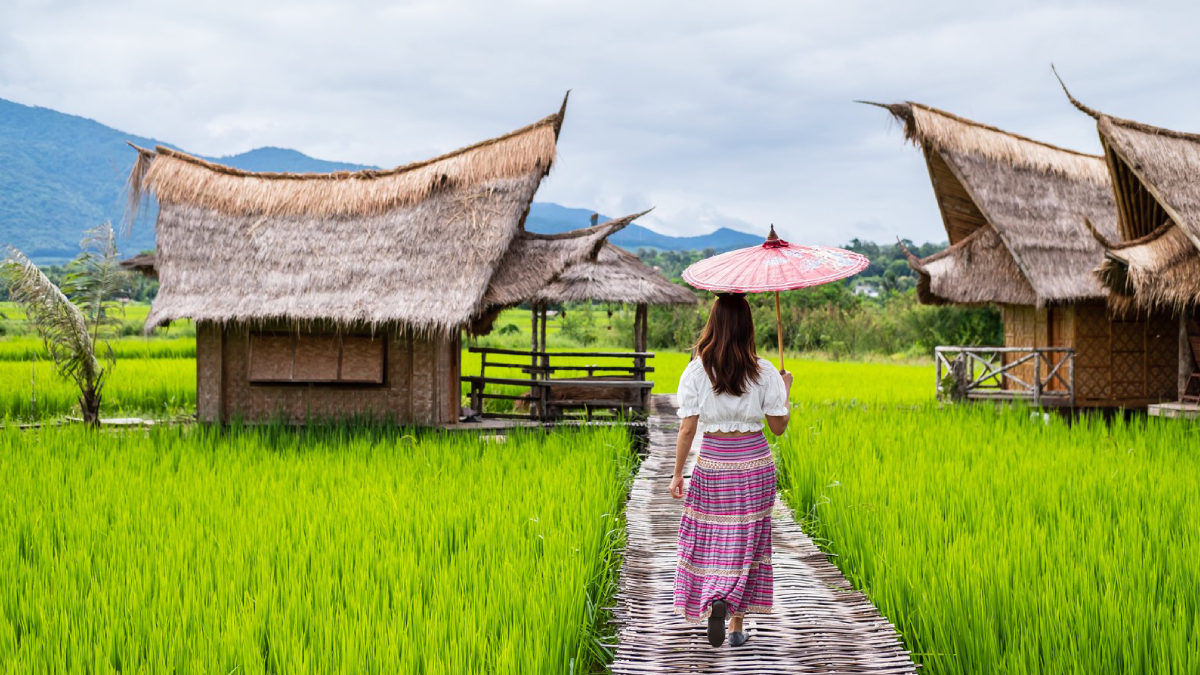
- Leading lines (roads, rivers, paths)
- Framing (windows, arches, doors)
- Depth (foreground, middle, background)
Composition turns simple scenes into powerful images.
5. Capture Local Life
Don’t only take pictures of landmarks.
Try capturing:
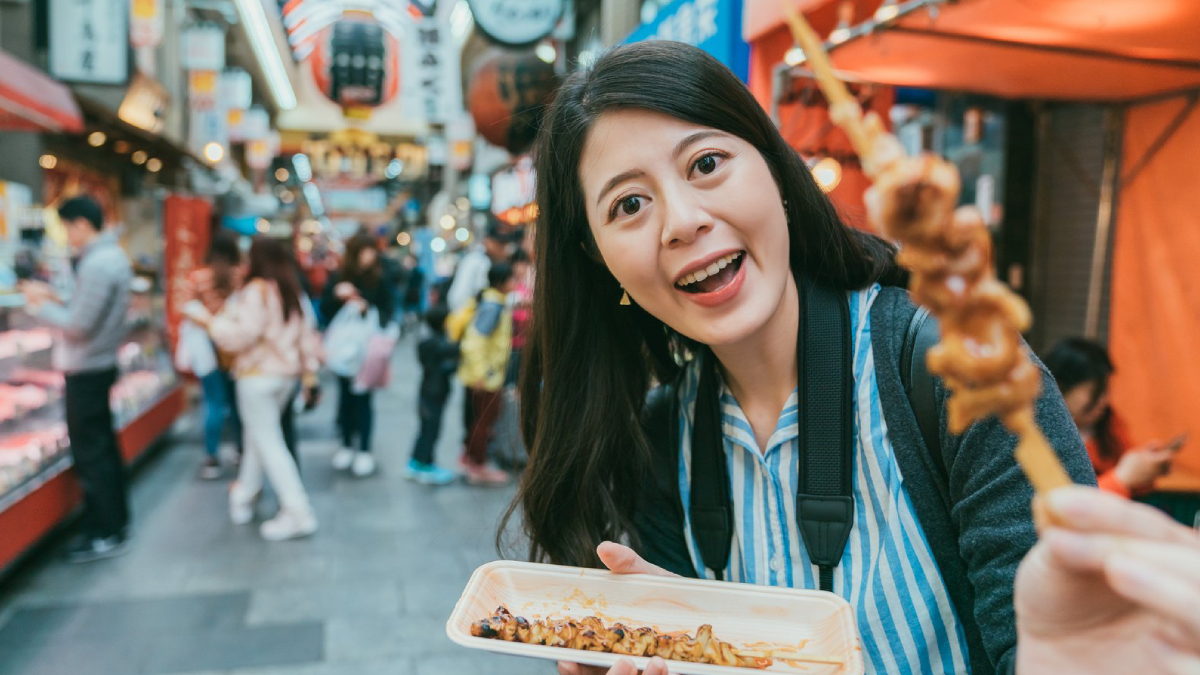
- Street vendors
- Local people (with permission)
- Daily life scenes
- Markets and food stalls
These photos tell real travel stories.
6. Avoid Over-Editing
Editing is useful, but too much can ruin photos.
Keep it simple:
- Adjust brightness
- Improve contrast
- Slight color correction
Avoid heavy filters that make photos look unnatural.
7. Take Multiple Shots
Never rely on a single photo.
Take:
- Different angles
- Close-up and wide shots
- Vertical and horizontal versions
More shots mean better chances of a perfect picture.
8. Keep Your Background Clean
A messy background can ruin a good photo.
Before clicking:
- Check for distractions
- Move slightly to adjust frame
- Simplify composition
A clean background keeps focus on the subject.
9. Learn Basic Editing Apps
Even beginners should use editing tools.
Popular apps:
- Lightroom Mobile
- Snapseed
- VSCO
These apps help improve colors and lighting easily.
10. Experiment with Angles
Don’t always shoot from eye level.
Try:
- Low angles (dramatic effect)
- High angles (overview shots)
- Side angles (creative perspective)
Different angles make photos more interesting.
11. Be Patient and Observant
Great travel photos often require waiting.
Watch for:
- Good lighting
- Less crowded moments
- Perfect timing
Patience is key in photography.
12. Tell a Story
Each photo should tell something.
Ask yourself:
- What is happening in this scene?
- What emotion am I capturing?
- What story does this image tell?
Story-driven photos are more powerful.
13. Travel Light
If using a camera:
- Carry only essential gear
- Avoid heavy equipment
- Keep batteries charged
Light travel helps you stay flexible.
14. Respect Local Culture
Always be respectful when taking photos:
- Ask before photographing people
- Avoid sensitive areas
- Follow local rules
Respect builds trust and better photo opportunities.
Common Mistakes Beginners Make
Avoid:
- Relying only on zoom
- Ignoring lighting
- Taking rushed shots
- Over-editing images
- Not checking composition
Small improvements make a big difference.
Final Thoughts
Travel photography is a skill that improves with practice. You don’t need expensive equipment to start—just curiosity and attention to detail.
By understanding light, composition, and storytelling, you can turn simple travel moments into beautiful memories.
Every trip becomes more meaningful when you capture it through your own lens.