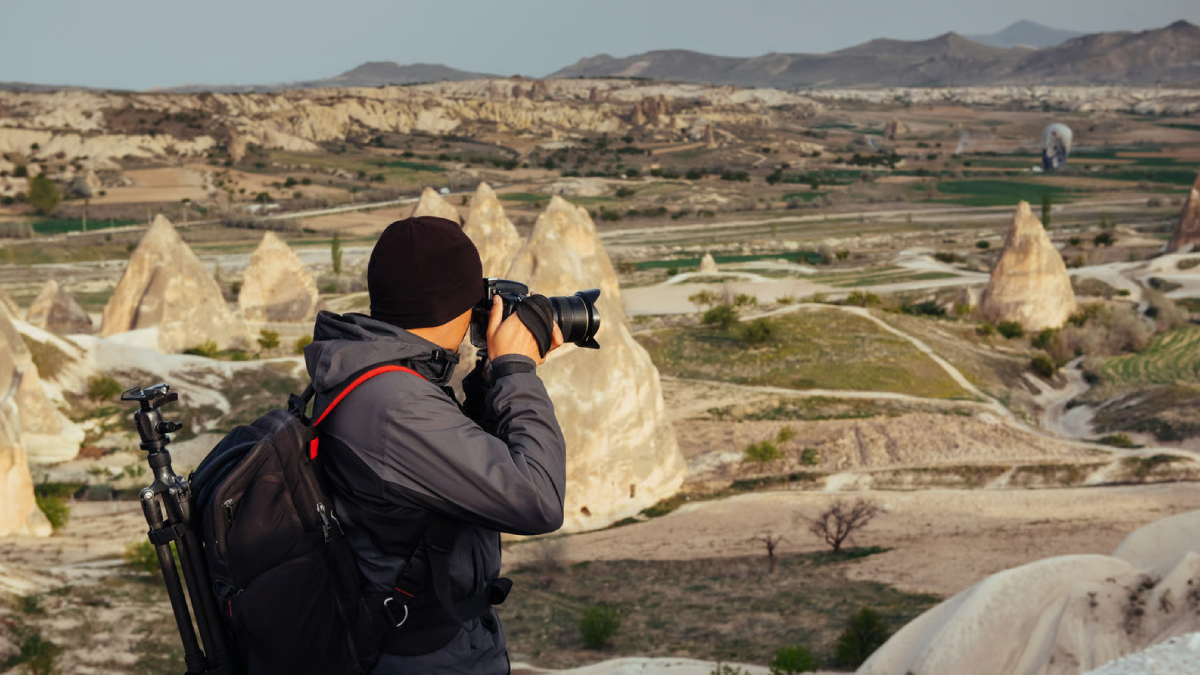
Choosing the right camera gear for travel photography can make a big difference in how you capture your journeys. However, many beginners assume they need expensive equipment to take great photos. The truth is, great travel photography depends more on skill and creativity than gear—but having the right tools definitely helps.
This guide will help you understand the best camera gear for travel photography, whether you’re a beginner, hobbyist, or semi-professional traveler.
Do You Really Need Expensive Gear?
No.
Many professional-looking travel photos are taken with:
- Smartphones
- Entry-level cameras
- Compact mirrorless systems
What matters most is:
- Lighting
- Composition
- Timing
- Creativity
Gear simply helps you capture your vision more easily.
1. Smartphones – Best Starting Point
Modern smartphones are powerful enough for travel photography.
Why smartphones are great:
- Lightweight and easy to carry
- Always available
- High-quality cameras
- Built-in editing tools
- Great for social media
Best features to look for:
- Wide-angle lens
- Night mode
- Portrait mode
- 4K video capability
Smartphones are perfect for beginners and casual travelers.
2. Mirrorless Cameras – Best All-Round Option
Mirrorless cameras are now the top choice for travel photographers.
Why they are popular:
- High image quality
- Lightweight compared to DSLRs
- Interchangeable lenses
- Fast autofocus
- Excellent video quality
Ideal for:
- Travel bloggers
- Content creators
- Serious hobbyists
Mirrorless cameras give professional results without heavy equipment.
3. DSLR Cameras – Traditional Professional Choice
DSLR cameras are powerful but slightly heavier.
Advantages:
- Strong battery life
- Wide lens options
- Excellent image quality
- Durable build
Limitations:
- Heavier than mirrorless
- Bulkier for travel
- Older technology in some models
Still great for photographers who prefer classic systems.
4. Best Travel Lenses
Lenses are more important than the camera body.
Essential lenses:
1. Wide-Angle Lens
- Perfect for landscapes
- Cityscapes and architecture
2. Standard Lens (35mm or 50mm)
- Natural-looking photos
- Great for street photography
3. Telephoto Lens
- Zooming distant subjects
- Wildlife and mountains
A small lens kit is better for travel convenience.
5. Tripods – Stability for Better Shots
A tripod helps you take stable and sharp photos.
Why you need a tripod:
- Night photography
- Long exposure shots
- Self-portraits
- Timelapse videos
Best travel tripods:
- Lightweight
- Compact foldable design
- Strong grip
A tripod is essential for creative shots.
6. Camera Bags – Protection and Comfort
A good camera bag protects your gear during travel.
Features to look for:
- Water resistance
- Comfortable straps
- Separate compartments
- Lightweight design
A well-designed bag keeps your gear safe and organized.
7. Memory Cards – Don’t Run Out of Space
Memory cards are often ignored but very important.
Tips:
- Carry multiple cards
- Use high-speed cards (UHS-I or UHS-II)
- Always format before trips
Never rely on a single memory card.
8. Extra Batteries and Power Banks
Battery life is crucial while traveling.
Must-have items:
- Extra camera batteries
- Portable charger
- Power bank for smartphones
Long travel days require backup power.
9. Drone Photography (Optional but Powerful)
Drones capture stunning aerial views.
Why drones are useful:
- Unique perspectives
- Landscape photography
- Cinematic travel shots
Things to consider:
- Local drone laws
- Battery limitations
- Carrying permissions
Drones add a professional cinematic feel to travel content.
10. Filters for Better Image Quality
Camera filters improve lighting and effects.
Common types:
- ND Filter (for long exposure)
- Polarizing Filter (reduces reflections)
- UV Filter (lens protection)
Filters help control natural light effectively.
11. Smartphone Accessories
Even smartphone users can improve photography with accessories.
Useful tools:
- Mobile tripod
- Clip-on lenses
- Gimbals for video stabilization
- Selfie sticks
These tools improve stability and creativity.
12. Editing Software and Apps
Post-processing is part of modern photography.
Popular tools:
- Adobe Lightroom
- Snapseed
- VSCO
- Photoshop (advanced users)
Editing enhances colors and mood.
13. Lightweight Gear for Travel
When traveling, less is more.
Ideal travel setup:
- One camera body
- One or two lenses
- Compact tripod
- Small camera bag
Avoid carrying unnecessary equipment.
14. Weather Protection Gear
Travel conditions can be unpredictable.
Important items:
- Rain cover for camera
- Lens cleaning kit
- Microfiber cloth
- Dust protection bag
Protecting gear is essential in outdoor travel.
15. Choosing the Right Gear for Your Travel Style
Different travelers need different setups:
Beginner traveler:
- Smartphone
- Basic tripod
Hobby traveler:
- Mirrorless camera
- 1–2 lenses
Professional traveler:
- Advanced mirrorless or DSLR
- Full lens kit
- Drone + accessories
Match gear with your travel goals.
Common Mistakes Travelers Make
Avoid:
- Carrying too much equipment
- Buying expensive gear without practice
- Ignoring portability
- Forgetting spare batteries
- Not protecting gear properly
Simple setups often work best.
Final Thoughts
The best camera gear for travel photography is not about having the most expensive equipment—it’s about choosing the right tools for your needs.
Smartphones are perfect for beginners, while mirrorless cameras offer the best balance of quality and portability for serious travelers. Accessories like tripods, lenses, and batteries enhance your creative possibilities.
At the end of the day, great travel photography comes from your vision, not your gear.