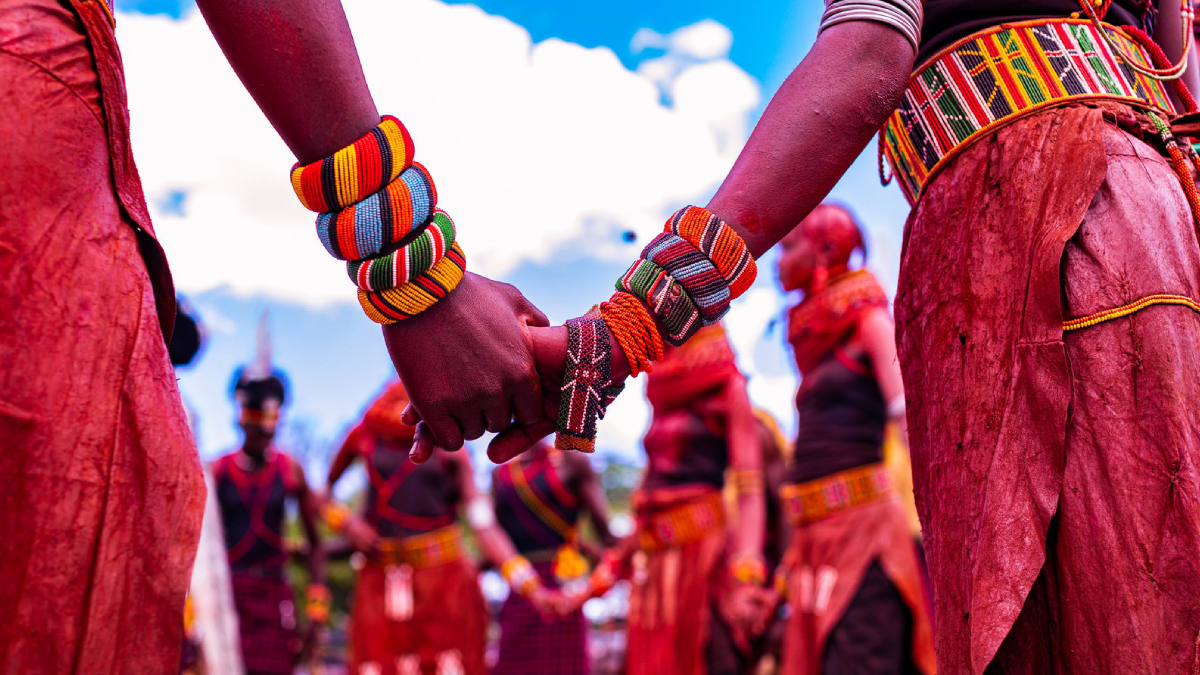

Traveling to new countries is exciting, but every destination comes with its own customs, traditions, and social rules. What is normal in one country may be considered disrespectful in another. That’s why understanding cultural etiquette is just as important as booking flights or hotels.
Good etiquette helps you connect with locals, avoid misunderstandings, and show respect for the culture you are visiting. It also makes your travel experience smoother and more enjoyable.
This guide will help you understand essential cultural etiquette tips for travelers around the world.
Why Cultural Etiquette Matters
Cultural etiquette is about respect.
When you follow local customs, you:
- Show respect to local people
- Avoid awkward situations
- Build positive interactions
- Travel more responsibly
- Experience deeper cultural understanding
Travel is not just about seeing places—it is about respecting them.
1. Learn Basic Greetings and Polite Words
Every culture values polite communication.
Before traveling, learn:
- Hello
- Thank you
- Please
- Sorry
- Goodbye
Even simple words can make a big difference.
Locals appreciate when travelers try to speak their language, even imperfectly.
2. Dress According to Local Culture
Clothing rules vary widely across countries.
In some places, modest dressing is important, especially in religious or traditional areas.
General tips:
- Cover shoulders and knees in religious sites
- Avoid overly revealing clothing in conservative countries
- Dress neatly in formal areas
Respectful dressing shows cultural awareness.
3. Respect Religious Places
Religious sites are sacred and should be treated with care.
When visiting:
- Remove shoes where required
- Dress modestly
- Keep your voice low
- Avoid inappropriate behavior
- Follow photography rules
Places like temples, mosques, and churches require special respect.
4. Understand Dining Etiquette
Food culture is different everywhere.
Examples:
- In some countries, eating with hands is normal
- In others, using chopsticks or utensils is expected
- Tipping rules vary by country
Always observe how locals behave before eating.
In places like Japan, eating quietly is important, while in others, conversation during meals is common.
5. Be Careful With Hand Gestures
Hand gestures can have different meanings in different cultures.
For example:
- A thumbs-up may be positive in some places but offensive in others
- Pointing fingers can be considered rude in many cultures
When unsure, keep gestures simple and neutral.
6. Respect Personal Space
Personal space differs across cultures.
Some cultures are:
- Close-contact (comfortable with proximity)
- Reserved (prefer distance)
Always observe how locals interact and adjust accordingly.
Avoid standing too close or touching strangers unnecessarily.
7. Follow Photography Rules
Not everything can be photographed.
Always ask before taking pictures of:
- People
- Religious sites
- Private property
Some places may strictly prohibit photography.
Respecting rules avoids conflict and shows professionalism.
8. Learn Tipping Customs
Tipping practices vary globally.
Examples:
- In the USA, tipping is expected
- In Japan, tipping is often not accepted
- In Europe, it depends on the country
Always check local customs before tipping.
9. Be Punctual and Respect Time
Time perception varies by culture.
In some countries, punctuality is very important, especially for business or tours.
In others, schedules may be more flexible.
Always try to be on time unless local culture suggests otherwise.
10. Avoid Loud Behavior in Public
In many cultures, loud behavior is considered disrespectful.
Be mindful of:
- Speaking volume
- Phone calls in public
- Music or noise
Keeping a calm and respectful tone is appreciated almost everywhere.
11. Understand Greetings Customs
Greetings differ across cultures:
- Handshakes are common in many countries
- Bowing is traditional in Japan
- Some cultures avoid physical contact
Always follow local practices when meeting people.
12. Respect Local Laws and Rules
Every country has laws that travelers must follow.
Examples include:
- Smoking rules
- Alcohol restrictions
- Public behavior regulations
Ignoring laws can lead to fines or serious issues.
13. Avoid Sensitive Topics in Conversation
When talking to locals, avoid sensitive subjects like:
- Politics
- Religion (unless invited)
- Personal income
- Cultural criticism
Focus on neutral and positive topics.
14. Observe Before Acting
One of the best etiquette rules is simple:
Watch and learn first.
Before doing something new:
- Observe locals
- Follow their behavior
- Adapt accordingly
This helps you avoid mistakes naturally.
15. Show Respect in Markets and Bargaining
In many countries, bargaining is normal.
But always:
- Be polite
- Smile
- Avoid aggressive negotiation
- Respect final prices if no agreement is made
Bargaining should be friendly, not confrontational.
Common Mistakes Travelers Make
Avoid:
- Ignoring dress codes
- Being loud in public places
- Taking photos without permission
- Disrespecting local customs
- Assuming your culture is universal
These mistakes can cause misunderstandings.
Final Thoughts
Cultural etiquette is not about strict rules—it is about respect, awareness, and adaptation.
When you understand and follow local customs, your travel experience becomes smoother, safer, and more meaningful.
Every destination has its own way of life. As a traveler, your responsibility is to observe, learn, and respect it.
Good etiquette turns you from a tourist into a welcomed guest.