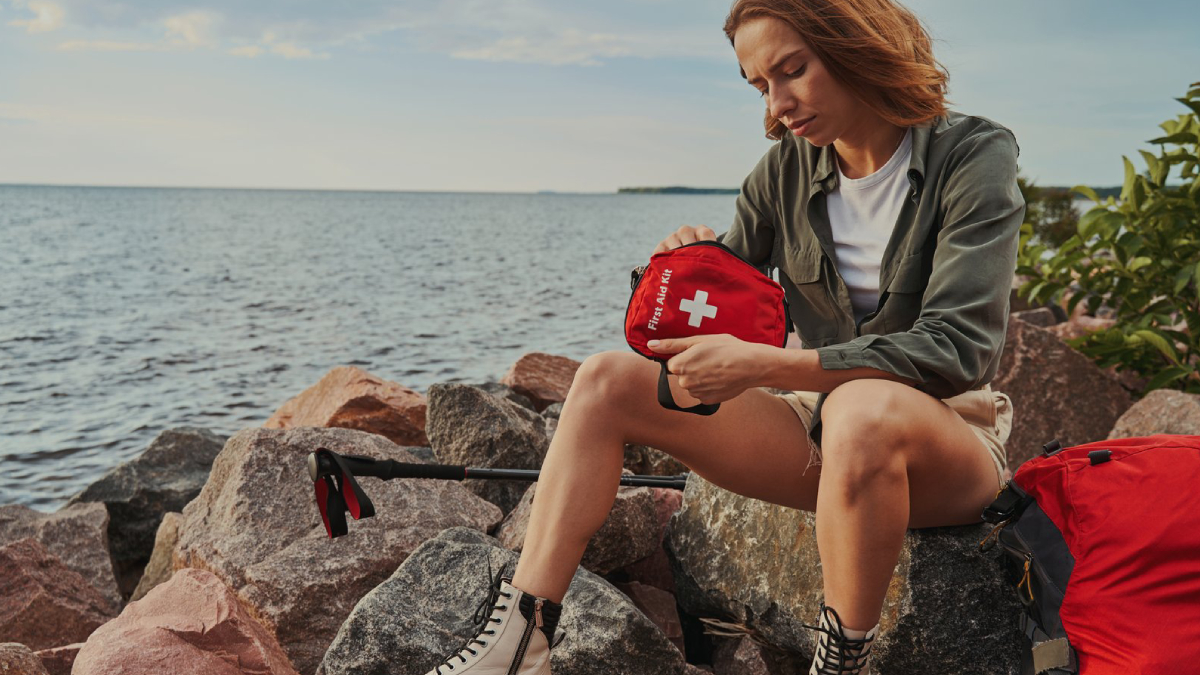
When you travel, especially to new countries or remote places, your health and safety should always come first. A well-prepared travel medical kit can save you from minor health issues turning into major problems. It gives you quick access to basic medicines and supplies when pharmacies are far away or unfamiliar.
This guide explains exactly what to pack in your travel medical kit and why each item is important.
Why a Travel Medical Kit Is Important
A travel medical kit is useful because:
- You may not find medicines easily abroad
- Language barriers can make pharmacy visits difficult
- Minor injuries can happen anytime
- Immediate treatment can prevent complications
- It saves time and reduces stress
Being prepared means you can handle small health issues confidently.
1. Pain and Fever Relief Medicines
These are essential for almost every trip.
What to include:
- Paracetamol or acetaminophen
- Ibuprofen
Why it’s important:
- Treats headaches
- Reduces fever
- Helps with body pain or fatigue
These are basic medicines every traveler should carry.
2. Motion Sickness Tablets
If you travel by:
- Plane
- Bus
- Boat
- Car on long routes
Motion sickness can become a problem.
Why include them:
- Prevents nausea
- Reduces dizziness
- Makes travel comfortable
This is especially useful for long journeys.
3. Antiseptic Cream or Ointment
Small cuts and scratches can happen during travel.
What it does:
- Prevents infection
- Heals minor wounds
- Soothes skin irritation
Always clean and treat small injuries immediately.
4. Bandages and Plasters
Basic wound care is important.
Include:
- Adhesive bandages (various sizes)
- Medical tape
- Gauze pads
Why:
- Covers small cuts
- Protects wounds from dirt
- Helps quick healing
These are must-have items in any kit.
5. Antidiarrheal Medicines
Food changes can affect your stomach.
Why needed:
- Treats stomach upset
- Controls diarrhea
- Helps avoid dehydration
Especially important when trying new foods abroad.
6. Oral Rehydration Salts (ORS)
Dehydration is a common travel issue.
Why include:
- Replaces lost fluids
- Helps during diarrhea or vomiting
- Prevents weakness
ORS is simple but very effective.
7. Allergy Medicines
Allergic reactions can happen unexpectedly.
What to include:
- Antihistamine tablets
- Allergy relief cream
Why:
- Treats skin rashes
- Reduces itching
- Helps with seasonal allergies
Even if you don’t have allergies, it’s good to carry them.
8. Cold and Flu Medicines
Traveling exposes you to different weather conditions.
Include:
- Cold tablets
- Cough syrup or lozenges
- Nasal spray (if needed)
Why:
- Treats flu symptoms
- Helps with sore throat
- Clears nasal congestion
9. Thermometer
A simple but important tool.
Why:
- Checks fever quickly
- Helps monitor health conditions
- Useful in emergencies
Digital thermometers are small and easy to carry.
10. Hand Sanitizer and Disinfectant Wipes
Hygiene is key during travel.
Why include:
- Kills germs on hands
- Cleans surfaces
- Prevents infections
Especially useful in public transport and airports.
11. Personal Prescription Medicines
If you take regular medication:
Must carry:
- Enough supply for the entire trip
- Extra days in case of delays
- Doctor’s prescription copy
Why:
- Not all medicines are available everywhere
- Ensures continuous treatment
12. Insect Repellent
Important for tropical and rural areas.
Why:
- Prevents mosquito bites
- Reduces risk of diseases
- Improves outdoor comfort
Choose a strong, travel-friendly spray or lotion.
13. Sunscreen and After-Sun Care
Sun exposure can damage skin.
Include:
- Sunscreen (SPF 30 or higher)
- Aloe vera gel or soothing lotion
Why:
- Prevents sunburn
- Protects skin health
- Reduces irritation
14. Eye Drops and Ear Drops
Useful for long flights and dusty environments.
Why:
- Relieves dryness
- Reduces irritation
- Helps with discomfort during travel
15. Gloves and Face Masks
Basic protection items.
Why:
- Protects from dust and pollution
- Useful in crowded places
- Adds hygiene safety
16. Scissors and Safety Pins
Small tools but very useful.
Why:
- Helps in first aid situations
- Useful for clothing fixes
- Assists in bandage application
17. Emergency Contact Card
Always keep a small card with:
- Your name
- Emergency contacts
- Blood group
- Allergies (if any)
Why:
- Helpful in emergencies
- Quick medical identification
How to Organize Your Medical Kit
A good travel medical kit should be:
- Compact and lightweight
- Waterproof or sealed
- Easy to access
- Clearly organized
Use a small pouch or travel organizer.
Common Mistakes Travelers Make
Avoid:
- Carrying expired medicines
- Forgetting personal prescriptions
- Overpacking unnecessary items
- Not checking destination health risks
- Ignoring basic hygiene items
Tips for Smart Packing
- Check destination health requirements
- Keep medicines in original packaging
- Carry only essential items
- Store kit in your hand luggage
- Refill before every trip
Final Thoughts
A travel medical kit is one of the most important parts of smart travel planning. It doesn’t take much space, but it can make a huge difference in emergencies. Whether it’s a headache, stomach issue, or minor injury, having the right supplies ensures you stay safe and comfortable during your journey.
Good travel is not just about destinations—it is also about being prepared for anything along the way.