
Traveling abroad is one of the most exciting experiences in life. You get to explore new cultures, taste different foods, and see places you may have only dreamed about. But when you are in a foreign country, safety becomes even more important because everything is unfamiliar—language, rules, transport, and environment.
Staying safe abroad is not difficult, but it does require awareness, planning, and smart decisions. This guide explains practical ways to stay safe while traveling internationally.
Why Safety Abroad Is Different
When you travel to another country:
- You may not understand the local language
- Laws and rules may be different
- Emergency services may work differently
- Cultural behavior may be unfamiliar
- Scams targeting tourists may exist
Because of these differences, being prepared is essential.
1. Learn About the Country Before You Go
Before traveling, research your destination properly.
You should know:
- Safe and unsafe areas
- Local laws and customs
- Transportation system
- Currency and payment methods
- Emergency contact numbers
Understanding the basics helps you avoid confusion and mistakes.
2. Register with Your Embassy (If Possible)
Many countries allow travelers to register with their embassy.
This helps in:
- Emergency situations
- Lost passport cases
- Natural disasters or political issues
It is a simple step that adds an extra layer of safety.
3. Keep Your Documents Secure
Your passport and documents are very important.
Safety tips:
- Keep originals in a secure place
- Carry photocopies while exploring
- Store digital copies on your phone/email
- Use a money belt or hidden pouch
Losing documents abroad can be stressful, so prevention is key.
4. Use Safe Transportation Options
Not all transport abroad is equally safe.
Always prefer:
- Official taxis or ride apps
- Hotel-arranged transport
- Registered public transport
Avoid:
- Unmarked taxis
- Random private rides
- Suspicious offers from strangers
Safe transport reduces risk significantly.
5. Stay in Safe Areas
Your accommodation location matters a lot.
Choose:
- Well-reviewed hotels
- Central or tourist-friendly areas
- Places near public transport
Avoid staying in isolated or poorly rated areas just to save money.
6. Be Aware of Your Surroundings
One of the most important safety habits is awareness.
Always:
- Watch people around you
- Avoid distractions like constant phone use
- Stay alert in crowded places
- Notice exits and surroundings
Awareness prevents many problems before they happen.
7. Avoid Over-Sharing Information
When talking to strangers, avoid sharing:
- Your hotel location
- Your full travel plan
- Personal financial details
- Solo travel status (if not necessary)
Keep your information private.
8. Use Technology Smartly
Your phone is a powerful safety tool.
Use:
- Google Maps for navigation
- Offline maps in case of no internet
- Translation apps
- Emergency contact apps
Also keep your phone charged at all times.
9. Carry Emergency Contacts Everywhere
Always save:
- Local emergency numbers
- Embassy contact details
- Hotel phone number
- Family contacts
In emergencies, quick access is crucial.
10. Be Careful with Money and Cards
Financial safety is very important abroad.
Tips:
- Use cards instead of carrying cash
- Keep backup money separately
- Avoid using public ATMs at night
- Monitor transactions regularly
Split your money to reduce risk.
11. Respect Local Laws and Culture
Every country has different rules.
You should:
- Follow dress codes where required
- Respect religious places
- Avoid illegal activities
- Learn basic etiquette
Respecting culture keeps you safe and welcomed.
12. Avoid Risky Areas at Night
Nighttime safety is important abroad.
Avoid:
- Dark or empty streets
- Unfamiliar neighborhoods
- Walking alone in unknown areas
Use trusted transport instead.
13. Stay Connected with Family or Friends
Always let someone know your plans.
You can:
- Share live location
- Update daily itinerary
- Send check-in messages
This ensures someone knows where you are.
14. Trust Your Instincts
Your instincts are powerful.
If something feels wrong:
- Leave immediately
- Change direction
- Avoid the situation
- Ask for help
Never ignore discomfort or suspicion.
15. Be Careful with Strangers
Meeting new people is part of travel, but stay cautious.
Tips:
- Be friendly but alert
- Avoid overly personal conversations
- Don’t accept unknown invitations easily
- Meet in public places only
Balance friendliness with awareness.
16. Keep a Backup Plan
Things can go wrong while traveling.
Always prepare for:
- Missed flights
- Lost luggage
- Hotel issues
- Health emergencies
Having a backup plan reduces stress.
17. Stay Healthy While Traveling
Health is part of safety.
Tips:
- Drink safe water
- Eat at clean places
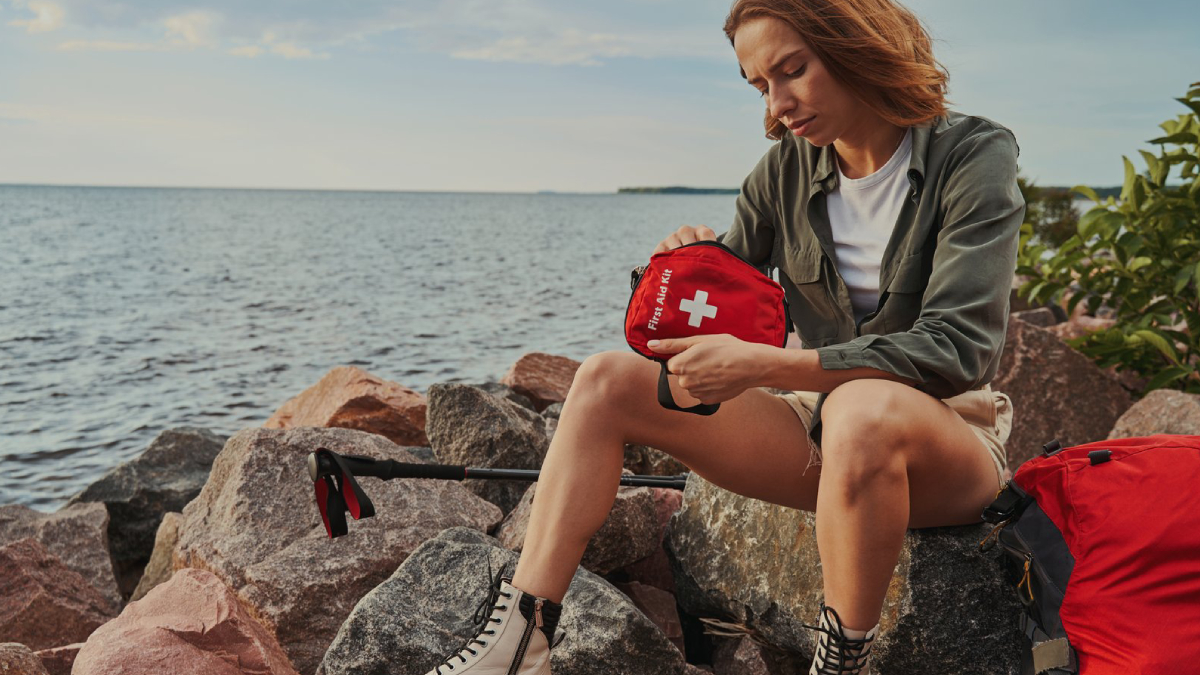
- Carry basic medicine
- Get travel insurance
A healthy traveler is a safe traveler.
Common Mistakes Travelers Make Abroad
Avoid:
- Not researching destination
- Ignoring local laws
- Carrying too much cash
- Trusting strangers too quickly
- Not saving emergency contacts
These mistakes are avoidable with preparation.
Final Thoughts
Staying safe while traveling abroad is about awareness, planning, and smart decisions. When you understand your surroundings and follow basic safety rules, international travel becomes smooth and enjoyable.
The world is full of amazing experiences waiting for you—just explore it wisely and safely.