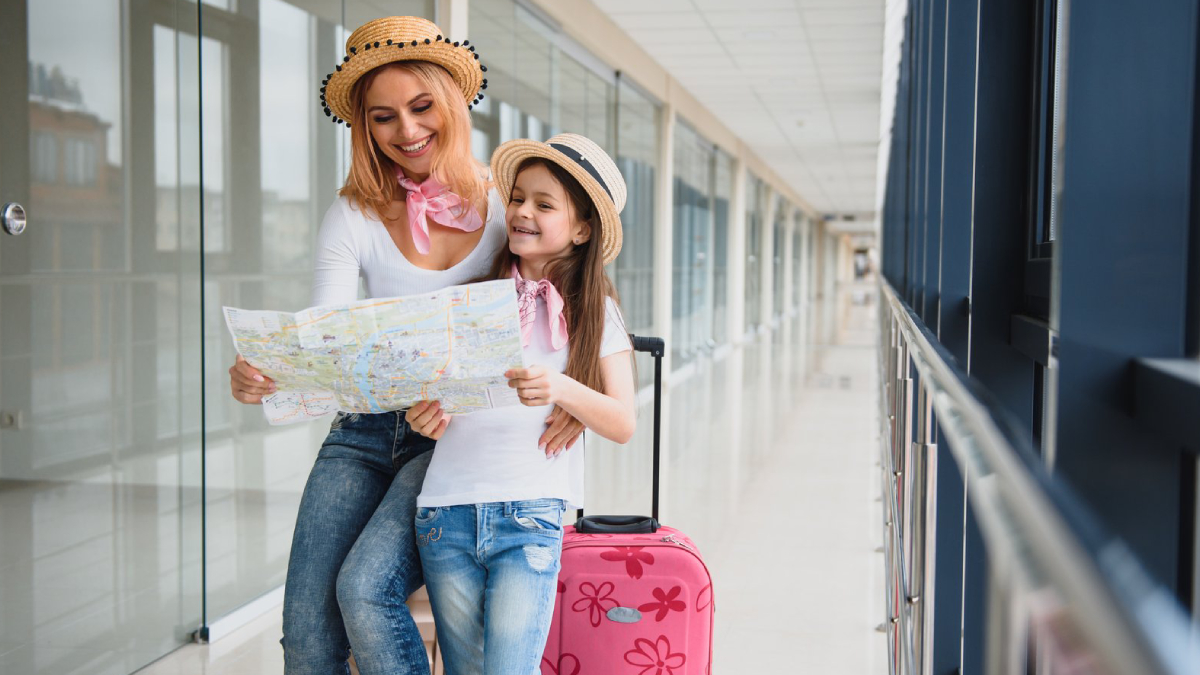

Group travel can be one of the most fun ways to explore the world, but it can also become stressful if people are not on the same page. Different personalities, budgets, energy levels, and expectations can easily lead to misunderstandings or conflicts.
The good news is that most group travel problems are completely avoidable with the right planning and communication.
This guide will help you understand how to avoid conflicts and keep your group trip smooth, enjoyable, and stress-free.
Why Conflicts Happen in Group Travel
Before solving problems, it’s important to understand why they happen:
- Different travel expectations
- Money-related disagreements
- Poor communication
- Lack of planning
- Fatigue and stress during travel
- Decision-making delays
Knowing these causes helps you prevent them early.
1. Set Clear Expectations Before the Trip
Most conflicts start before the trip even begins.
Discuss:
- Travel style (relaxed vs. adventurous)
- Budget range
- Must-visit places
- Accommodation type
Why it matters:
When everyone knows what to expect, there are fewer surprises.
2. Choose a Group Leader
A group without leadership can become chaotic.
Role of the leader:
- Coordinate planning
- Make final decisions when needed
- Keep communication organized
Important:
The leader should be responsible, not controlling.
3. Agree on a Budget Early
Money is the biggest cause of group conflicts.
Steps:
- Decide total budget range
- Split costs fairly
- Set spending limits for activities
Tip:
Use expense-sharing apps like Splitwise to track costs.
4. Keep Communication Open
Miscommunication leads to misunderstandings.
Best practices:
- Create a group chat
- Share updates regularly
- Discuss changes immediately
5. Plan Together, Not Individually
Everyone should be involved in planning.
Why it helps:
- Everyone feels included
- Reduces complaints later
- Builds group agreement
6. Be Flexible with Plans
Not everything will go as planned.
Examples:
- Weather changes
- Delayed transport
- Closed attractions
Solution:
Stay flexible and adjust plans together.
7. Avoid Overplanning the Itinerary
Too much structure creates pressure.
Better approach:
- Plan main activities only
- Leave free time
- Allow spontaneous decisions
8. Respect Different Interests
Everyone has different preferences.
Example:
- Some want shopping
- Others want sightseeing
- Some prefer relaxation
Solution:
Rotate activities or split into smaller groups when needed.
9. Don’t Force Group Decisions
Decision pressure causes tension.
Better method:
- Take votes
- Discuss options calmly
- Avoid rushing decisions
10. Share Responsibilities
One person should not do everything.
Divide tasks:
- Booking
- Navigation
- Budget tracking
- Activity planning
11. Manage Money Clearly
Financial confusion leads to arguments.
Tips:
- Track all expenses
- Split costs immediately
- Be transparent
12. Respect Personal Space
Even in groups, people need space.
Why it matters:
- Prevents irritation
- Reduces fatigue
- Improves mood
Example:
Allow individuals to explore separately sometimes.
13. Stay Calm During Problems
Conflicts often happen during stress.
Best approach:
- Don’t react emotionally
- Focus on solutions
- Avoid blaming others
14. Choose Accommodation Carefully
Where you stay affects group harmony.
Look for:
- Enough space for everyone
- Comfortable environment
- Good location
15. Set Ground Rules
Simple rules help avoid misunderstandings.
Examples:
- Be on time
- Respect group decisions
- Share costs fairly
16. Handle Conflicts Quickly
Don’t let issues grow.
Steps:
- Talk immediately
- Listen to all sides
- Find a compromise
17. Keep Group Size Manageable
Very large groups are harder to manage.
Ideal size:
- 4–8 people is usually best
18. Focus on Enjoyment, Not Control
Trying to control everything creates tension.
Mindset:
- Be open
- Go with the flow
- Enjoy the moment
Common Group Travel Mistakes
Avoid:
- No planning or unclear planning
- Ignoring budget differences
- Not communicating properly
- Forcing one person’s preferences
- Overpacked schedules
Final Thoughts
Group travel is about shared memories, not perfection. Conflicts can happen, but most of them can be avoided with clear communication, respect, and flexibility.
The best group trips are not the ones without problems—they are the ones where everyone works together to solve them.
When the group moves as a team, travel becomes more enjoyable, meaningful, and unforgettable.