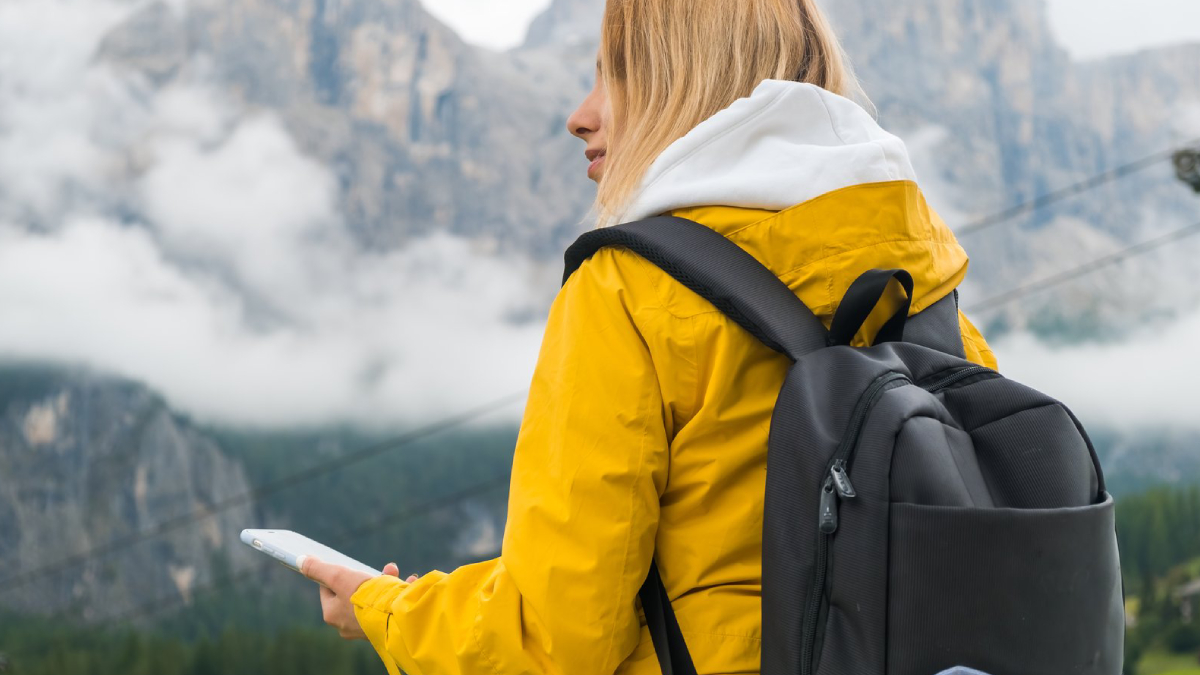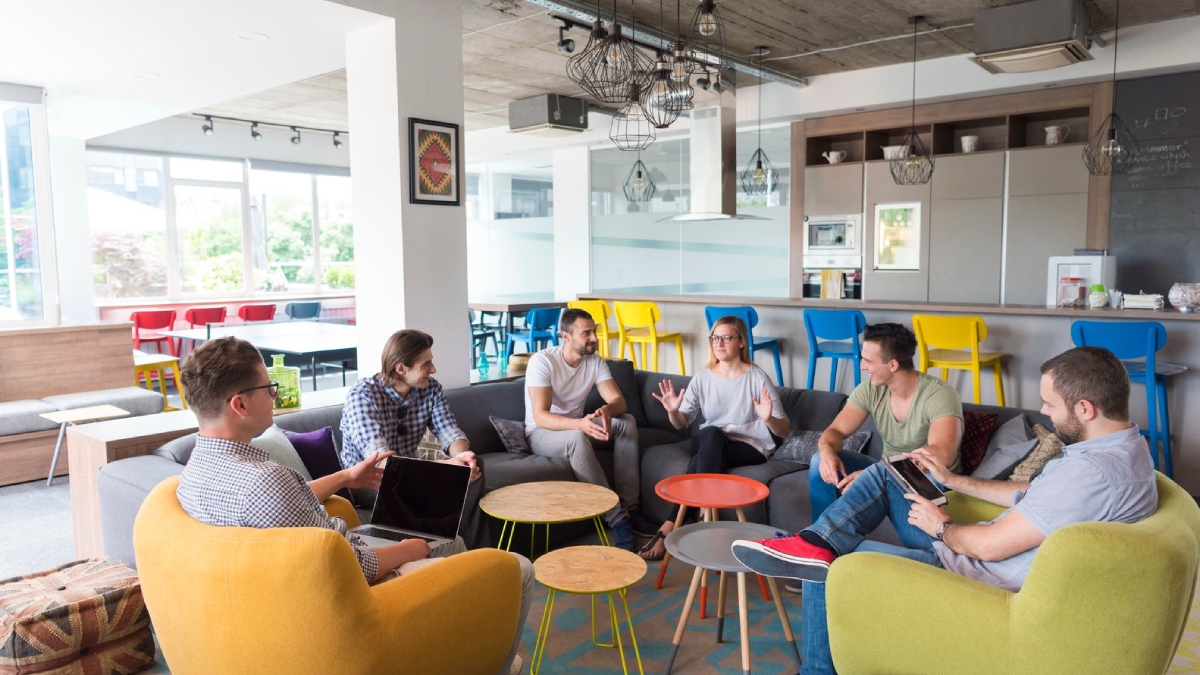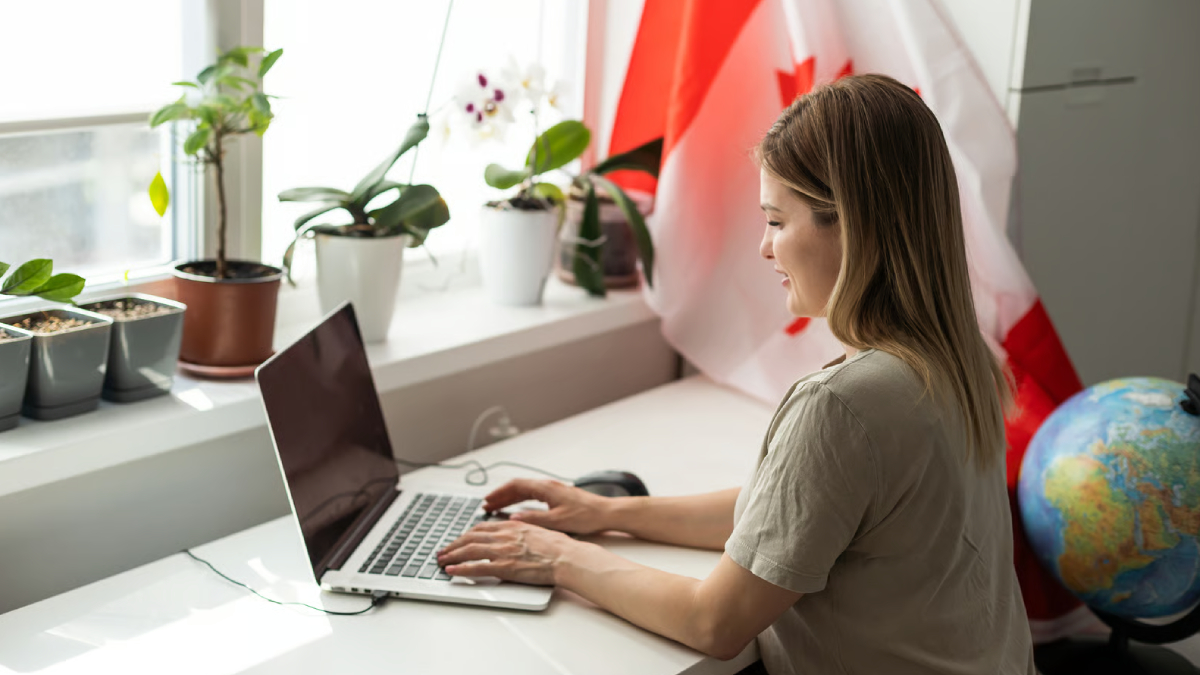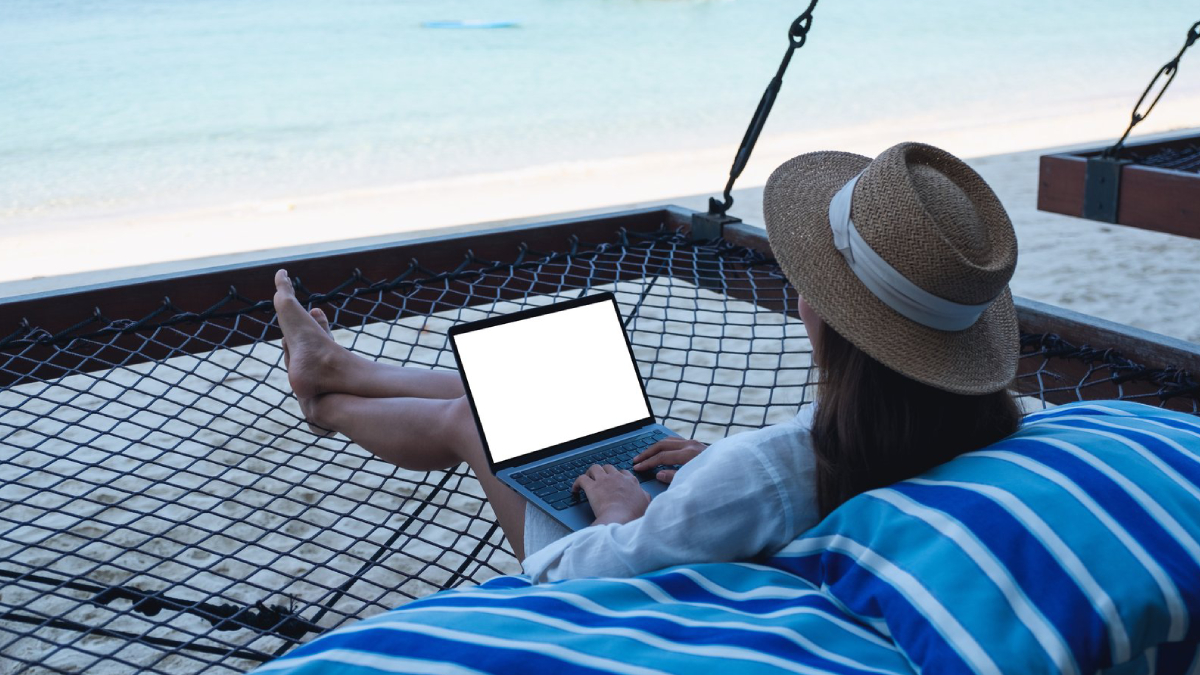
Balancing work and travel is one of the biggest challenges of the digital nomad lifestyle. On one side, you have exciting destinations to explore; on the other side, you have deadlines, meetings, and responsibilities. Without balance, either your work suffers or your travel experience becomes stressful.
The key to success is creating a lifestyle where both work and travel support each other instead of competing.
This guide explains practical ways to maintain that balance effectively.
Why Balance Matters for Digital Nomads
If balance is missing:
- Work productivity drops
- Travel becomes rushed or stressful
- Burnout increases
- Income becomes unstable
- Enjoyment of travel decreases
A good balance ensures:
- Steady income
- Stress-free travel
- Better focus
- Long-term sustainability
1. Set Clear Work Hours
One of the biggest mistakes digital nomads make is working randomly.
What to do:
- Define fixed working hours daily
- Stick to a consistent routine
- Avoid mixing work with travel time
Example:
- Work: 9 AM – 1 PM
- Travel/Explore: 2 PM – 6 PM
This creates structure in your day.
2. Plan Your Day in Advance
Spontaneous travel is fun, but planning helps balance work.
Daily planning should include:
- Work tasks
- Travel activities
- Break times
- Rest hours
Planning reduces stress and improves productivity.
3. Choose Work-Friendly Destinations
Not all travel destinations are ideal for remote work.
Look for places with:
- Strong internet connection
- Quiet environments
- Coworking spaces
- Affordable living costs
This makes it easier to work efficiently.
4. Use Morning Hours for Deep Work
Mornings are usually the most productive time.
Why mornings are better:
- Fewer distractions
- Higher focus
- Faster task completion
Complete important work early so you can enjoy the rest of the day.
5. Avoid Overloading Your Schedule
Trying to do too much leads to burnout.
Common mistake:
- Booking too many activities
- Taking too many work projects
- Not leaving free time
Solution:
- Keep your schedule realistic
- Leave buffer time between tasks
- Focus on quality, not quantity
6. Separate Work and Travel Spaces
If possible, avoid working from your bed or tourist spots.
Better options:
- Coworking spaces
- Cafés with Wi-Fi
- Dedicated desk in accommodation
This helps your brain separate work from relaxation.
7. Set Daily Work Goals
Instead of working endlessly, set clear goals.
Example:
- Finish 2 articles
- Attend 1 meeting
- Complete 3 tasks
Once goals are done, you can fully enjoy your travel time.
8. Use Productivity Tools
Digital tools help manage both work and travel.
Useful tools:
- Task managers (Notion, Trello)
- Calendar apps
- Time trackers
- Cloud storage
These tools keep everything organized.
9. Avoid Constant Travel Movement
Moving every day makes work difficult.
Better approach:
- Stay in one place for a few days or weeks
- Work in stable environments
- Travel in planned intervals
Slow travel improves productivity.
10. Manage Internet Access Smartly
Internet is essential for remote work.
Tips:
- Always check Wi-Fi speed before booking accommodation
- Carry a portable hotspot or SIM card
- Have backup internet options
Avoid last-minute connectivity issues.
11. Take Proper Breaks
Working continuously reduces efficiency.
Good break habits:
- Short breaks every 1–2 hours
- Walk outside between work sessions
- Take full rest days
Breaks improve focus and creativity.
12. Learn to Say No
As a digital nomad, you may get distractions:
- Extra travel invitations
- Unnecessary social events
- Overcommitting to work
Solution:
- Prioritize tasks
- Say no when needed
- Focus on your main goals
13. Maintain Health and Energy
Balance depends on physical health.
Tips:
- Sleep properly
- Eat healthy meals
- Stay hydrated
- Exercise regularly
Good health improves both work and travel experience.
14. Use Travel Days Wisely
Travel days can affect productivity.
Smart approach:
- Avoid heavy work on travel days
- Keep tasks light
- Rest after long journeys
15. Keep Work and Travel Goals Separate
You should clearly define:
- Work goals (income, deadlines)
- Travel goals (places, experiences)
This helps you balance both without confusion.
Common Mistakes to Avoid
Avoid:
- Working without schedule
- Traveling too fast
- Ignoring deadlines
- Overworking during trips
- Poor time management
Final Thoughts
Balancing work and travel is a skill that improves with experience. It requires discipline, planning, and awareness. When done correctly, it allows you to enjoy both a successful career and an exciting travel lifestyle.
The goal is not to choose between work and travel—but to make both work together.