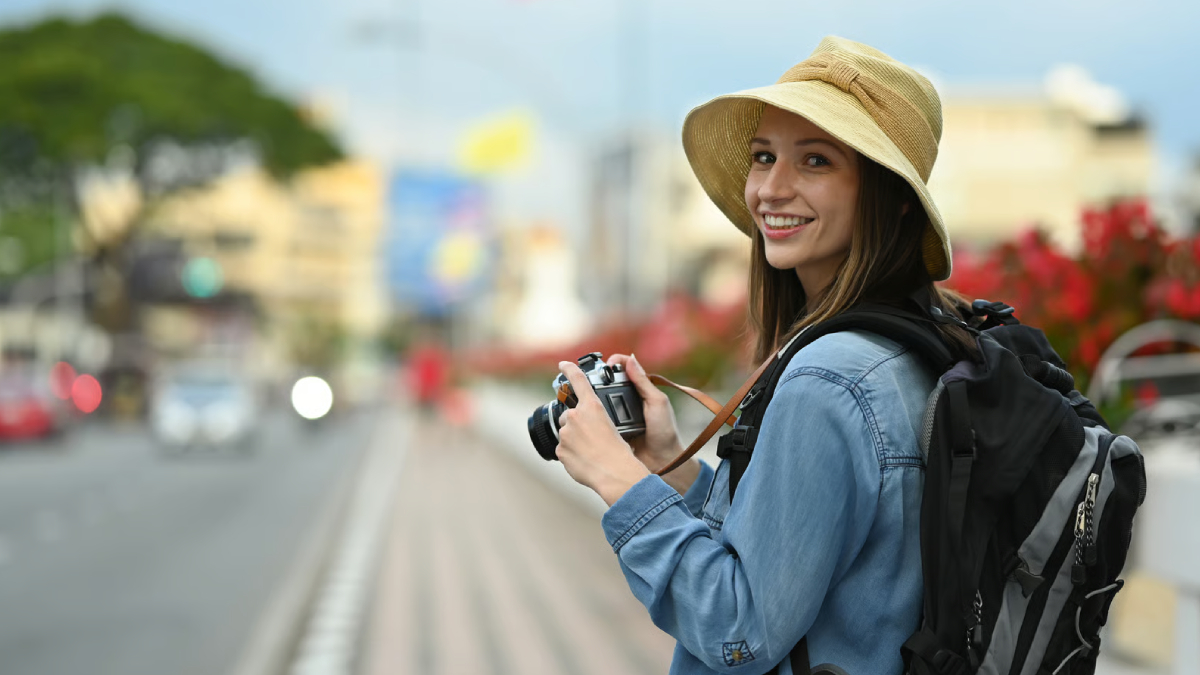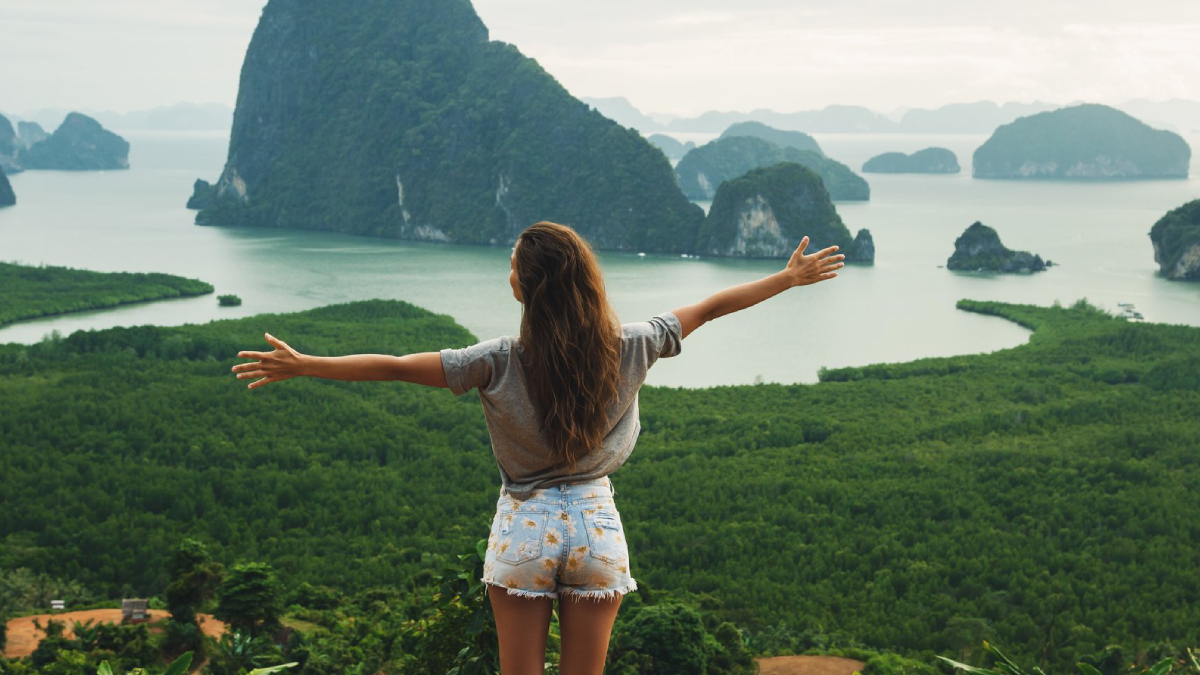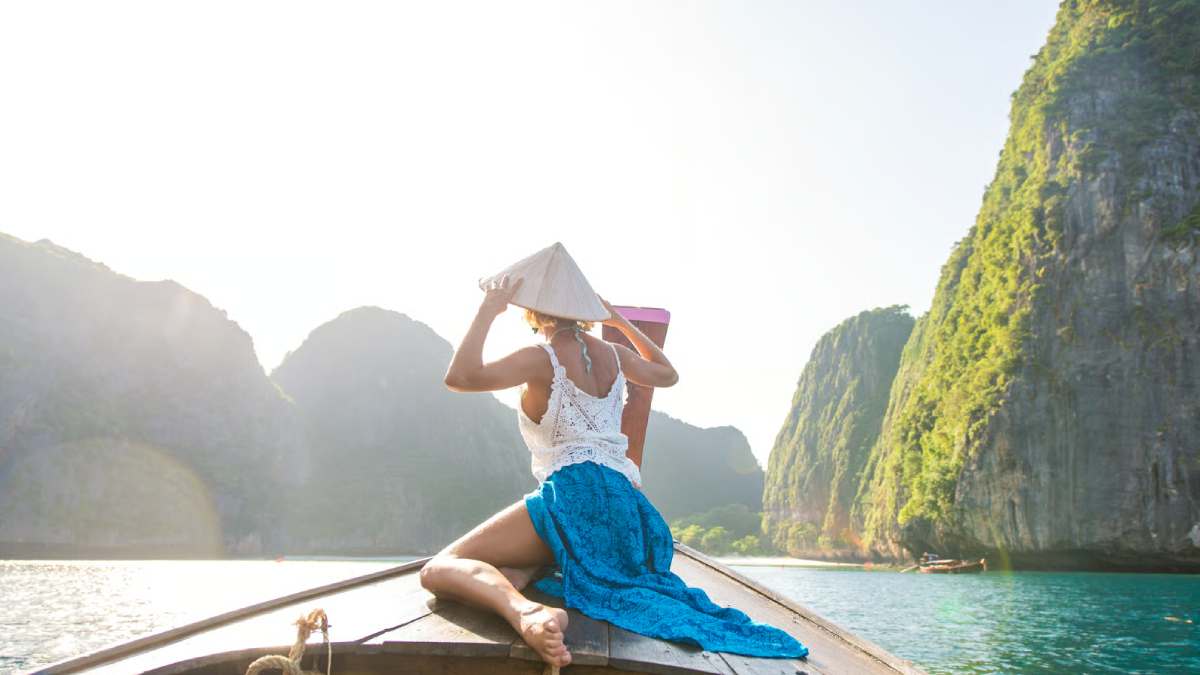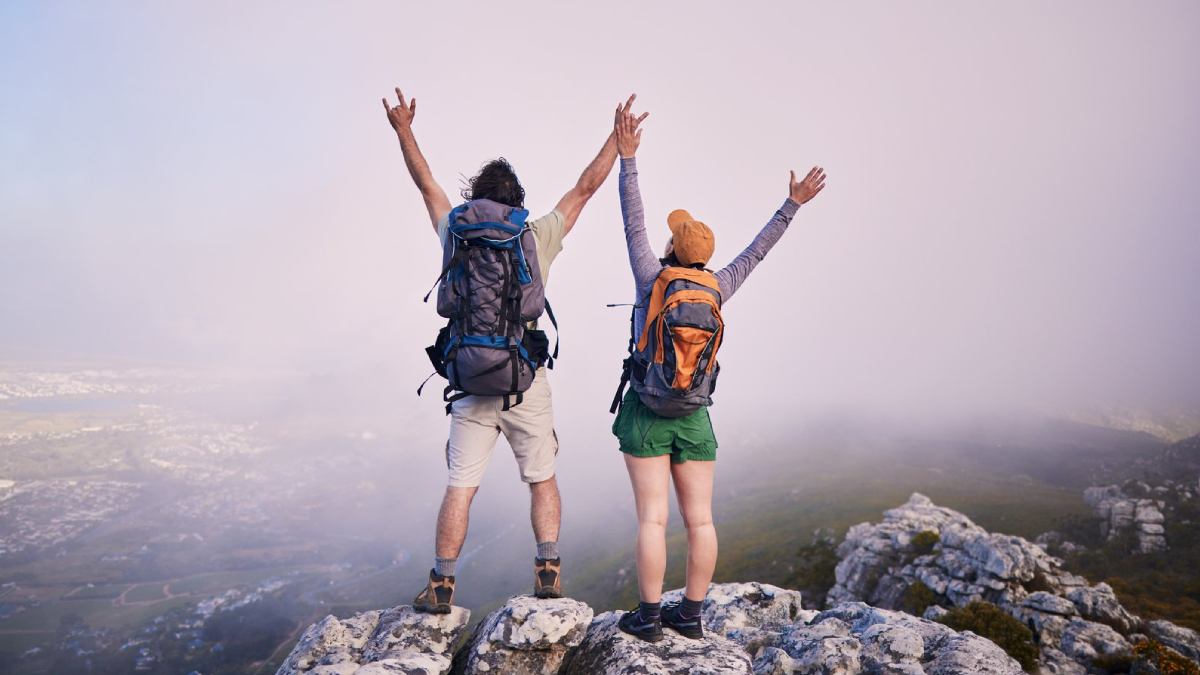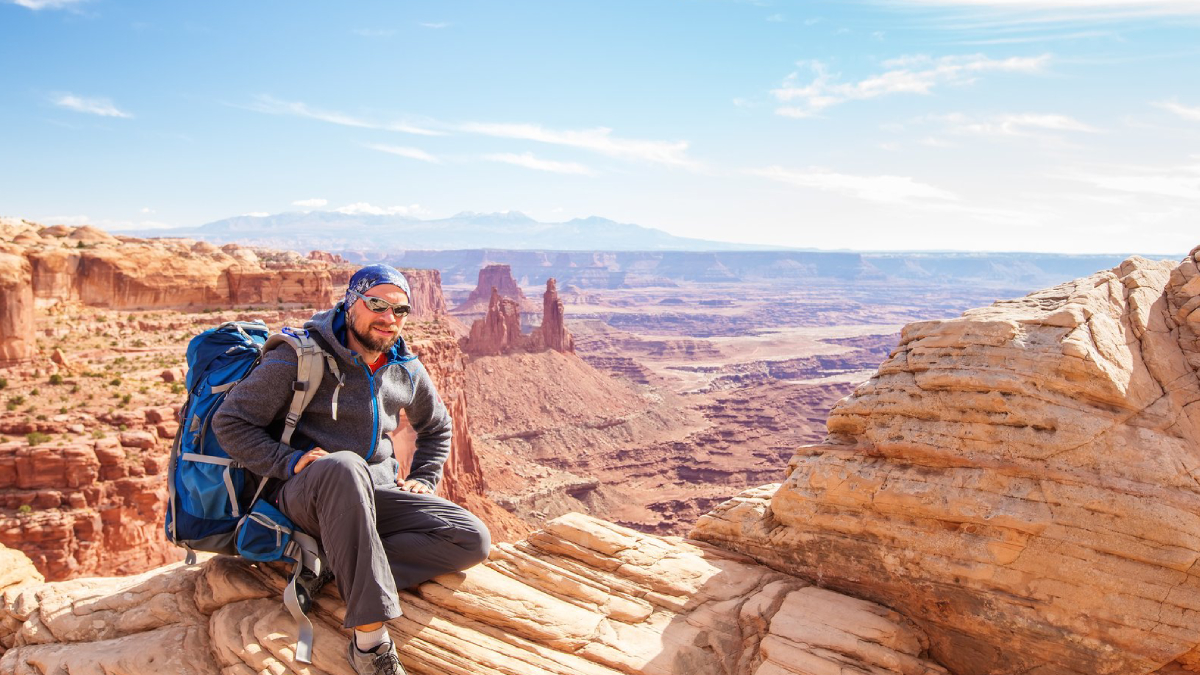
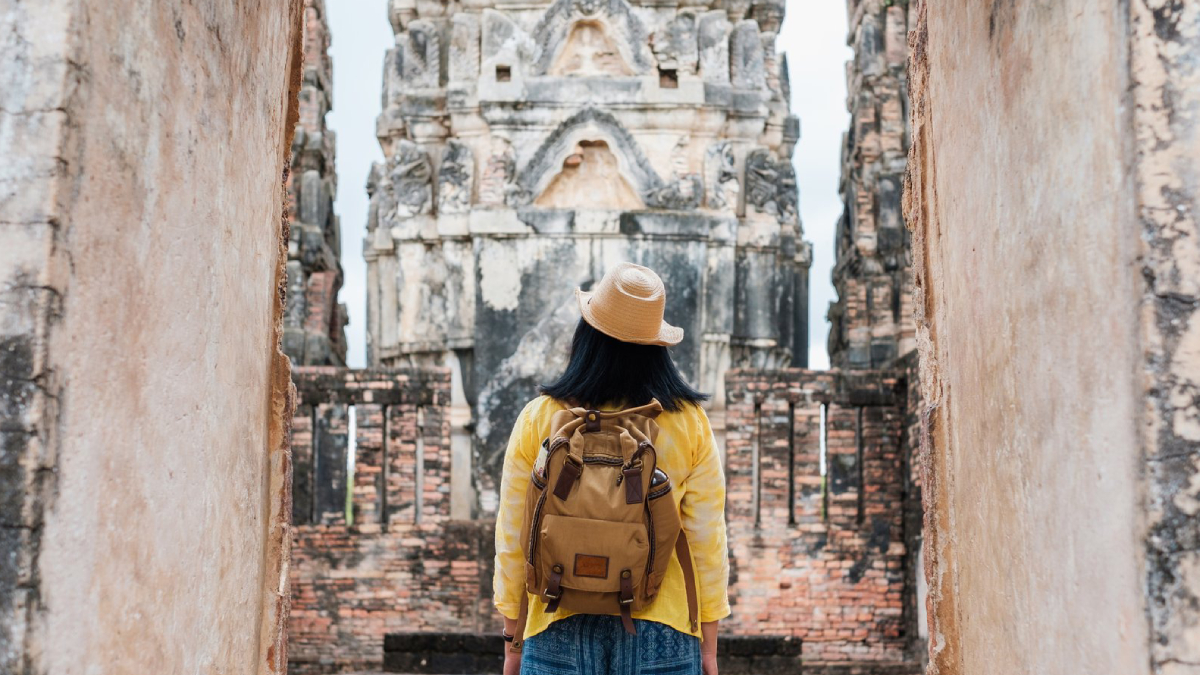
Solo travel is one of the most empowering and life-changing ways to explore the world. Traveling alone may feel intimidating at first, but it offers unmatched freedom, flexibility, and personal growth. You get to decide where to go, what to do, and how long to stay in each place without having to compromise with anyone else.
Many people start solo travel for different reasons—self-discovery, independence, career breaks, or simply the desire to explore new cultures. Whatever the reason, solo travel can be one of the most rewarding experiences of your life if planned properly.
This guide will walk you through everything a beginner needs to know about solo travel.
What Is Solo Travel?
Solo travel simply means traveling alone without friends, family, or a group.
It does not mean being lonely. In fact, solo travelers often meet more people during their journeys than group travelers because they are more open to new interactions.
Solo travel gives you:
- Full independence
- Flexibility in planning
- Personal growth opportunities
- Better cultural experiences
- Strong decision-making skills
It is not just a trip—it is a journey of self-discovery.
Why Solo Travel Is Becoming Popular
Solo travel has grown rapidly in recent years due to changing lifestyles and priorities.
People choose solo travel because:
- They want freedom
- They want to explore at their own pace
- They want personal time and reflection
- They want to build confidence
- They want to escape routine life
Social media has also inspired many travelers to explore the world alone.
Step 1: Choose the Right Destination
For beginners, choosing the right destination is extremely important.
A good solo travel destination should be:
- Safe
- Easy to navigate
- Tourist-friendly
- Affordable
- Culturally welcoming
Popular beginner-friendly destinations include:
- Thailand
- Japan
- Portugal
- Turkey
- Indonesia
Start with destinations that are well-developed for tourism before moving to more challenging locations.
Step 2: Plan Your Trip in Advance
Even though solo travel offers flexibility, planning is still important.
Before traveling, research:
- Accommodation options
- Transport systems
- Local culture
- Weather conditions
- Safety guidelines
Having a basic plan helps reduce stress during your journey.
However, avoid overplanning—leave room for spontaneity.
Step 3: Book Safe Accommodation
Your accommodation is your safety base during solo travel.
Choose:
- Well-reviewed hotels
- Hostels with good ratings
- Central locations
- Places with 24/7 reception
Hostels are especially popular among solo travelers because they offer:
- Social interaction
- Affordable prices
- Organized activities
Always read reviews before booking.
Step 4: Pack Light and Smart
Solo travelers should avoid heavy luggage.
Pack only essentials such as:
- Comfortable clothing
- Travel documents
- Basic toiletries
- Electronics
- First-aid kit
Light packing makes movement easier and safer.
It also reduces stress while traveling alone.
Step 5: Learn Basic Local Information
Before arriving in a new country, learn:
- Basic local phrases
- Transport systems
- Currency details
- Emergency numbers
Even simple knowledge can make travel much easier and safer.
Locals appreciate travelers who try to understand their culture.
Step 6: Stay Connected
Staying connected is very important for solo travelers.
Make sure you have:
- Active SIM card or internet access
- Emergency contacts saved
- Access to maps and navigation apps
Always inform a friend or family member about your travel plans.
Regular check-ins improve safety.
Step 7: Manage Your Budget Wisely
Solo travel requires smart budgeting since you cannot share expenses.
Track:
- Accommodation costs
- Food expenses
- Transport costs
- Activities
Use travel apps or notes to manage spending.
Avoid unnecessary expenses and focus on experiences.
Step 8: Meet New People Safely
One of the best parts of solo travel is meeting people from different cultures.
You can meet others through:
- Hostels
- Group tours
- Local events
- Travel communities
However, always stay cautious and trust your instincts.
Meeting people is great, but safety should always come first.
Step 9: Trust Your Instincts
As a solo traveler, your instincts are your best guide.
If something feels wrong:
- Leave the situation
- Avoid unsafe areas
- Change plans if necessary
Listening to your instincts helps avoid dangerous situations.
Confidence and awareness are key to safe solo travel.
Step 10: Stay Flexible
Solo travel is all about freedom.
You can:
- Change your itinerary anytime
- Stay longer in places you like
- Skip activities you don’t enjoy
Flexibility makes travel more enjoyable and stress-free.
Don’t be afraid to adjust your plans.
Step 11: Take Care of Your Health
Your health is extremely important when traveling alone.
Make sure to:
- Stay hydrated
- Eat safe food
- Carry medicines
- Get enough rest
Avoid risky food or unsafe water sources.
Healthy travelers enjoy better experiences.
Step 12: Keep Important Documents Safe
Always protect your travel documents.
Carry:
- Passport
- Visa
- ID cards
- Travel insurance
Keep both physical and digital copies.
Use secure bags or pouches to store valuables.
Step 13: Learn Basic Safety Practices
Safety is a top priority in solo travel.
Basic safety tips include:
- Avoid isolated areas at night
- Don’t share personal details with strangers
- Keep valuables hidden
- Stay aware of surroundings
Being cautious helps prevent problems.
Step 14: Enjoy Your Own Company
Solo travel teaches you to enjoy your own presence.
You can:
- Eat alone at restaurants
- Explore cities at your own pace
- Reflect on life
- Take time for yourself
It helps build confidence and independence.
Step 15: Document Your Journey
Keeping memories of your trip is important.
You can:
- Take photos
- Write a travel journal
- Record videos
These memories become valuable over time.
Common Mistakes Beginner Solo Travelers Make
Avoid these mistakes:
- Overpacking
- Poor planning
- Ignoring safety
- Overspending
- Not researching destinations
Learning from mistakes improves future trips.
Emotional Benefits of Solo Travel
Solo travel is not just physical—it is emotional and mental growth.
It helps you:
- Build confidence
- Reduce fear
- Become independent
- Improve decision-making
Many travelers describe solo trips as life-changing experiences.
Final Thoughts
Solo travel is one of the most powerful ways to explore the world and yourself.
It may feel challenging at first, but with proper planning and awareness, it becomes an unforgettable experience.
From choosing safe destinations to managing your budget and staying aware, every step helps you become a smarter traveler.
In the end, solo travel is not about being alone—it is about discovering freedom, confidence, and new perspectives.