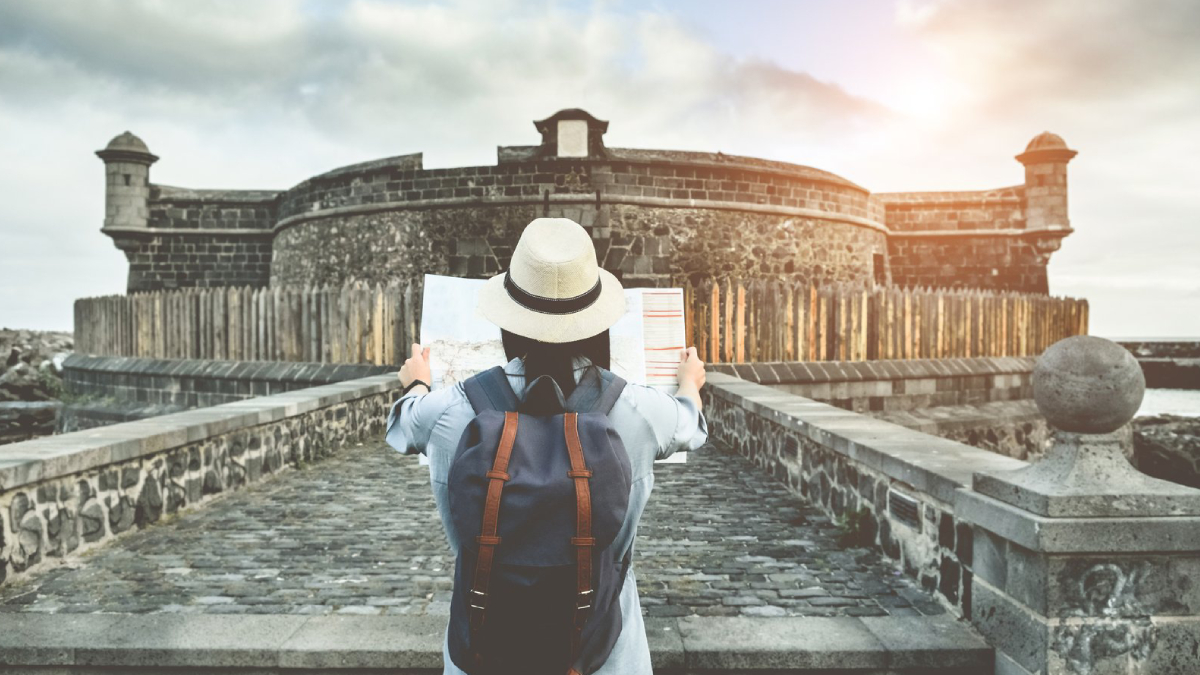

Traveling to a new country is not only about visiting places and taking photos. It is also about understanding and respecting the culture of the place you are visiting. Every country has its own traditions, values, behavior rules, and social etiquette.
Many travelers face misunderstandings or uncomfortable situations simply because they are unaware of local customs. That is why learning cultural tips before traveling is extremely important. It helps you become a respectful traveler and improves your overall experience.
This guide will help you understand essential cultural tips every traveler should know before visiting any country.
Why Cultural Awareness Matters
Culture is the identity of a country. It shapes how people behave, communicate, and interact with others.
When you travel, you become a guest in someone else’s culture. Respecting local customs shows politeness and helps you connect better with locals.
Cultural awareness helps you:
- Avoid misunderstandings
- Show respect to local people
- Travel more safely
- Build positive experiences
- Learn deeper insights about the country
Ignoring cultural differences can sometimes lead to awkward or even serious situations, so preparation is always important.
Learn Basic Greetings and Language
You do not need to be fluent in the local language, but learning a few basic words can make a big difference.
Simple words like “hello,” “thank you,” and “please” show respect and friendliness.
Locals appreciate when travelers try to speak their language, even if it is just a few words.
In many countries, greetings also include gestures such as bowing, handshakes, or specific phrases. Understanding these small details can help you create a good first impression.
Dress Code and Modesty
Different countries have different expectations when it comes to clothing.
In some countries, casual clothing is acceptable everywhere, while in others, modest dressing is required, especially in religious or rural areas.
For example, in many Asian and Middle Eastern countries, covering shoulders and knees is important in temples or religious places.
In Western countries, dress codes are usually more relaxed, but certain places like churches or formal events may still require appropriate attire.
Always research local dress expectations before traveling.
Respect for Religion and Traditions
Religion plays a major role in many cultures around the world.
When visiting religious sites such as temples, mosques, churches, or shrines, it is important to follow the rules.
This may include removing shoes, covering your head, or maintaining silence.
Avoid taking inappropriate photos or behaving disrespectfully in sacred places.
Even if you do not follow the local religion, showing respect is very important.
Understanding religious customs helps you avoid unintentional disrespect.
Dining Etiquette
Food culture is different in every country, and so are dining manners.
In some countries, eating with hands is normal, while in others, using utensils is expected.
In Japan, for example, it is considered rude to stick chopsticks upright in rice. In Middle Eastern countries, sharing food is a common tradition.
Tipping practices also vary. In some places, tipping is expected, while in others it is not necessary.
Always observe how locals behave in restaurants and follow their lead.
Trying local food respectfully enhances your travel experience.
Personal Space and Behavior
Personal space differs across cultures.
In some countries, people stand close while talking, while in others, maintaining distance is preferred.
Physical gestures like touching, hugging, or handshakes may also have different meanings depending on the culture.
It is important to observe and adapt to local behavior.
Public behavior such as speaking loudly, showing anger, or expressing opinions openly may also be viewed differently in various cultures.
Staying polite and calm is always the safest approach.
Photography Rules
Not all places allow photography.
Some religious sites, government buildings, or museums may have strict rules about taking pictures.
Always check for signs or ask permission before clicking photos.
Taking pictures of strangers without consent can also be considered disrespectful in many cultures.
Respecting privacy and rules ensures a positive experience.
Understanding Local Laws
Every country has its own laws, and what is normal in one place may be illegal in another.
For example, rules about smoking, drinking, public behavior, or even chewing gum can vary.
Breaking local laws, even unknowingly, can lead to serious consequences.
Before traveling, research basic legal guidelines of the country.
Always follow rules and avoid risky behavior.
Respecting Time and Punctuality
Time perception varies across cultures.
In some countries, punctuality is extremely important, while in others, schedules are more flexible.
For example, in countries like Japan and Germany, being on time is a sign of respect.
In other regions, delays may be more acceptable.
Understanding this helps you manage meetings, tours, and transport better.
Gift Giving and Hospitality
In many cultures, hospitality is an important tradition.
If you are invited to someone’s home, it is polite to bring a small gift.
However, gift-giving customs vary. Some cultures avoid certain colors or items as gifts.
Always learn about these traditions before traveling.
Accepting hospitality politely is also important. Refusing food or gifts may sometimes be considered rude.
Public Transport Etiquette
Using public transport is common in many countries, but behavior rules differ.
In some places, silence is expected, while in others, talking is normal.
Priority seating for elderly or disabled passengers should always be respected.
Queueing systems are also very important in many countries.
Observing how locals behave on transport helps you follow proper etiquette.
Avoiding Cultural Stereotypes
Every country has diversity, and not all people follow the same habits or traditions.
Avoid assuming things based on stereotypes or media.
Be open-minded and treat each person as an individual.
Respecting diversity helps you build better travel experiences and relationships.
Communication Style Differences
Communication styles vary widely across cultures.
Some cultures are direct and straightforward, while others are indirect and polite.
Understanding tone, gestures, and expressions is important to avoid misunderstandings.
Even silence can have different meanings depending on the culture.
Observing and adapting is the best approach when communicating abroad.
Respect for Environment and Local Areas
Many countries place strong importance on environmental protection.
Avoid littering and always dispose of waste properly.
Respect natural sites, wildlife, and protected areas.
Some destinations have strict rules about conservation, and violating them can lead to penalties.
Being an eco-friendly traveler helps preserve destinations for future generations.
Common Cultural Mistakes Travelers Make
Many travelers unintentionally make mistakes due to lack of awareness.
Some common mistakes include:
- Dressing inappropriately
- Ignoring local customs
- Speaking loudly in quiet places
- Disrespecting religious sites
- Taking photos without permission
Avoiding these mistakes helps you travel more respectfully and confidently.
Conclusion
Cultural understanding is one of the most important parts of international travel.
It helps you connect with locals, avoid problems, and experience each country in a meaningful way.
Travel is not just about visiting new places, but also about respecting and appreciating different ways of life.
By learning and following cultural tips, you become a more responsible and respectful traveler.
Every country has something unique to offer, and respecting its culture allows you to enjoy it fully.