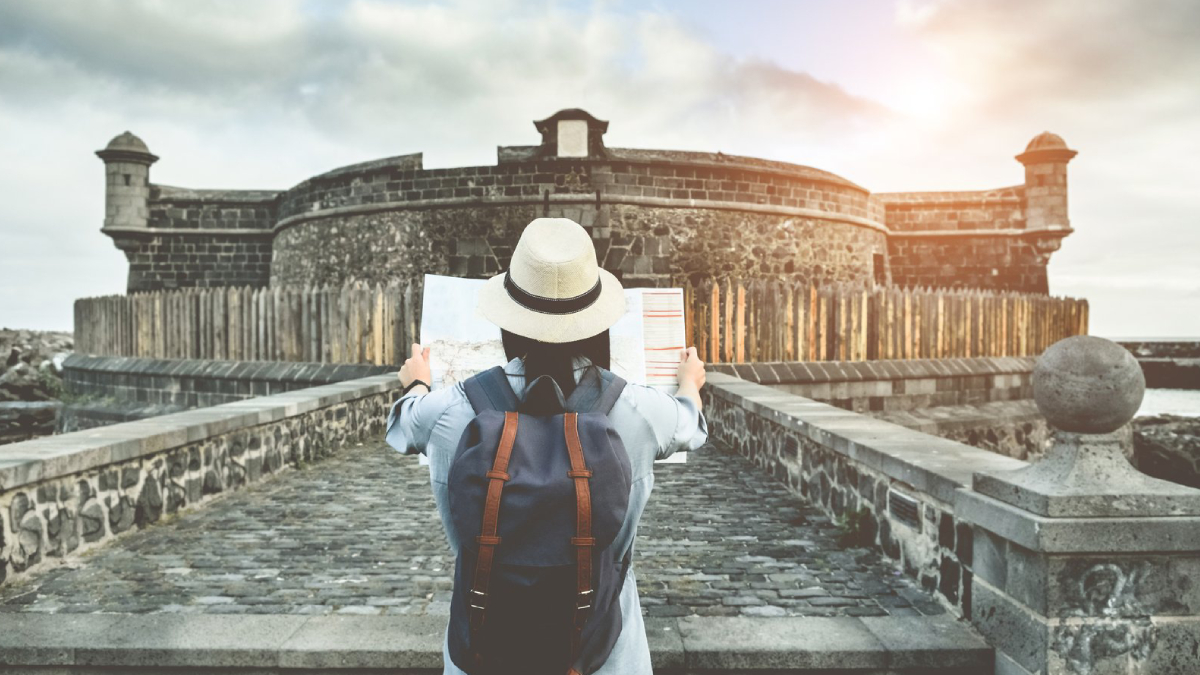

Traveling to a new country for the first time is an exciting experience, but it can also feel overwhelming. Different languages, cultures, transportation systems, and rules can make international travel confusing for beginners. That is why having a complete country travel guide is essential.
This guide will help you understand everything you need to know before visiting a new country, including planning, safety, culture, transportation, and budgeting. Whether you are traveling for vacation, study, or business, this guide will help you prepare with confidence.
Why Country Travel Planning is Important
Traveling within your own city or country is simple, but international travel requires more preparation. Every country has different visa rules, customs, currency, and laws.
Without proper planning, travelers may face delays, extra expenses, or confusion during their trip.
A good travel plan helps you:
- Avoid unnecessary problems
- Save time and money
- Experience the country more effectively
- Stay safe and comfortable
Understanding the basics before you travel makes your journey smoother and more enjoyable.
Step 1: Research Your Destination
Before visiting any country, the first step is research. You should learn about the country’s geography, culture, language, and lifestyle.
Find out what the country is known for. Some countries are famous for history, others for nature, food, or modern cities.
Also check the weather conditions. This helps you pack the right clothes and plan activities.
Learn about local customs and traditions. This is important because every country has different social rules and etiquette.
Even basic knowledge about the destination can make a big difference in your travel experience.
Step 2: Visa and Travel Documents
One of the most important parts of international travel is documentation.
Most countries require a visa before entry. Check the official visa requirements for your destination.
Make sure your passport is valid for at least six months beyond your travel date.
Keep printed copies of important documents such as:
- Passport
- Visa approval
- Flight tickets
- Hotel bookings
- Travel insurance
It is also a good idea to keep digital copies on your phone or email for backup.
Step 3: Budget Planning
Budgeting is essential when traveling to another country.
Start by calculating your total travel budget, including:
- Flights
- Accommodation
- Food
- Transportation
- Activities
- Shopping
Some countries are expensive, while others are budget-friendly. Research average daily costs before you travel.
Use travel apps to compare prices for flights and hotels. Booking in advance usually helps you save money.
Always keep extra funds for emergencies.
Step 4: Choosing Accommodation
Accommodation plays a big role in your travel experience.
Most travelers choose between hotels, hostels, or vacation rentals.
Hotels offer comfort and services, while hostels are more budget-friendly and social. Vacation rentals provide a home-like experience.
Choose accommodation based on:
- Location
- Safety
- Reviews
- Budget
Staying in a central area helps you save time and transportation costs.
Step 5: Understanding Transportation
Each country has its own transportation system.
Some countries have advanced metro systems, while others rely on buses or taxis.
Before traveling, learn how public transport works in your destination.
Download local maps or transport apps to make navigation easier.
In some countries, ride-sharing apps are widely used and can be more convenient than taxis.
Walking is also a great way to explore cities and local areas.
Step 6: Currency and Payments
Every country has its own currency. It is important to understand exchange rates before traveling.
You can exchange money at airports, banks, or local exchange centers.
Many countries also accept credit and debit cards, but it is always good to carry some local cash.
Avoid exchanging money at unofficial places to prevent scams.
Check if your destination supports digital payment apps.
Step 7: Packing for International Travel
Packing smart is important for a smooth trip.
Start by checking the weather of your destination.
Pack clothes according to climate and activities.
Always carry essential items such as:
- Travel documents
- Medications
- Chargers and adapters
- Comfortable shoes
Avoid overpacking. Carry only what you need to stay light and flexible.
Step 8: Staying Safe Abroad
Safety should always be your top priority when traveling internationally.
Some important safety tips include:
- Keep your belongings secure
- Avoid unsafe areas at night
- Stay aware of your surroundings
- Do not share personal information with strangers
- Use trusted transportation
It is also helpful to register with your embassy if you are traveling to a distant country.
Travel insurance is highly recommended for emergencies.
Step 9: Cultural Awareness
Every country has its own culture, traditions, and etiquette.
Respecting local culture is very important for a positive travel experience.
For example, dress codes may vary, and some places may have religious or social rules.
Learn basic phrases of the local language such as greetings and thank you.
Being respectful helps you connect better with locals and avoid misunderstandings.
Step 10: Food and Dining
Trying local food is one of the best parts of traveling.
Each country has its own unique cuisine and flavors.
Start with popular local dishes and street food.
Be careful with hygiene and choose clean, busy restaurants.
If you have dietary restrictions, research food options before traveling.
Food is a great way to experience culture deeply.
Step 11: Making an Itinerary
A good itinerary helps you organize your trip.
List all the places you want to visit and group them by location.
Do not overload your schedule. Leave time for rest and spontaneous exploration.
Use maps to plan routes and save time.
A flexible itinerary allows you to enjoy your trip without stress.
Step 12: Common Mistakes to Avoid
Many first-time travelers make simple mistakes that can affect their trip.
Some common mistakes include:
- Not researching the destination
- Overpacking
- Ignoring local customs
- Not budgeting properly
- Booking everything last minute
Avoiding these mistakes will make your travel experience much better.
Conclusion
Traveling to a new country is a life-changing experience. It allows you to explore new cultures, meet different people, and see the world from a new perspective.
With proper planning, research, and awareness, international travel becomes easy and enjoyable.
This guide is designed to help beginners travel with confidence and avoid common challenges.
Every journey starts with preparation, and the better you prepare, the better your experience will be.